
 Connect with a PJM translator
 Font size
 Contrast version
 Monochrome version
 Text version
 Reset settings
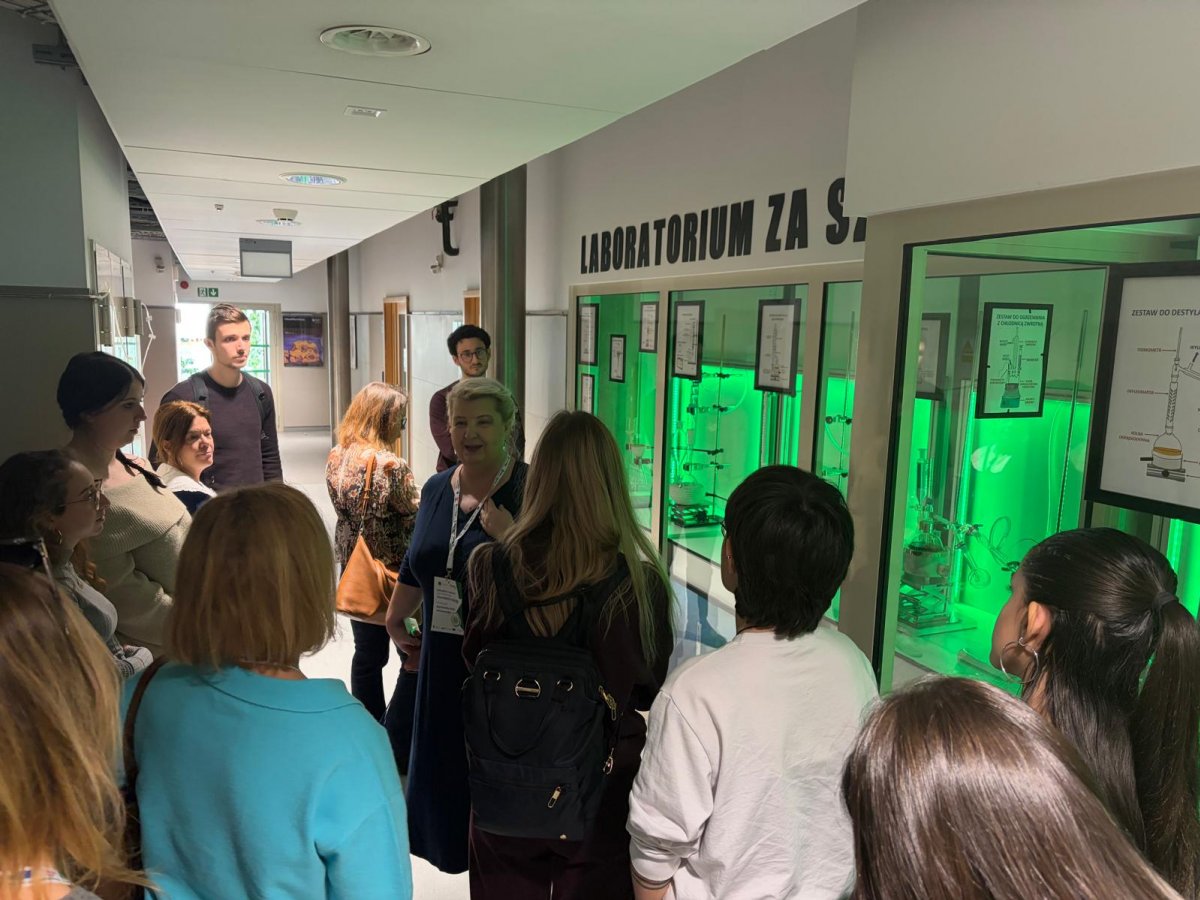
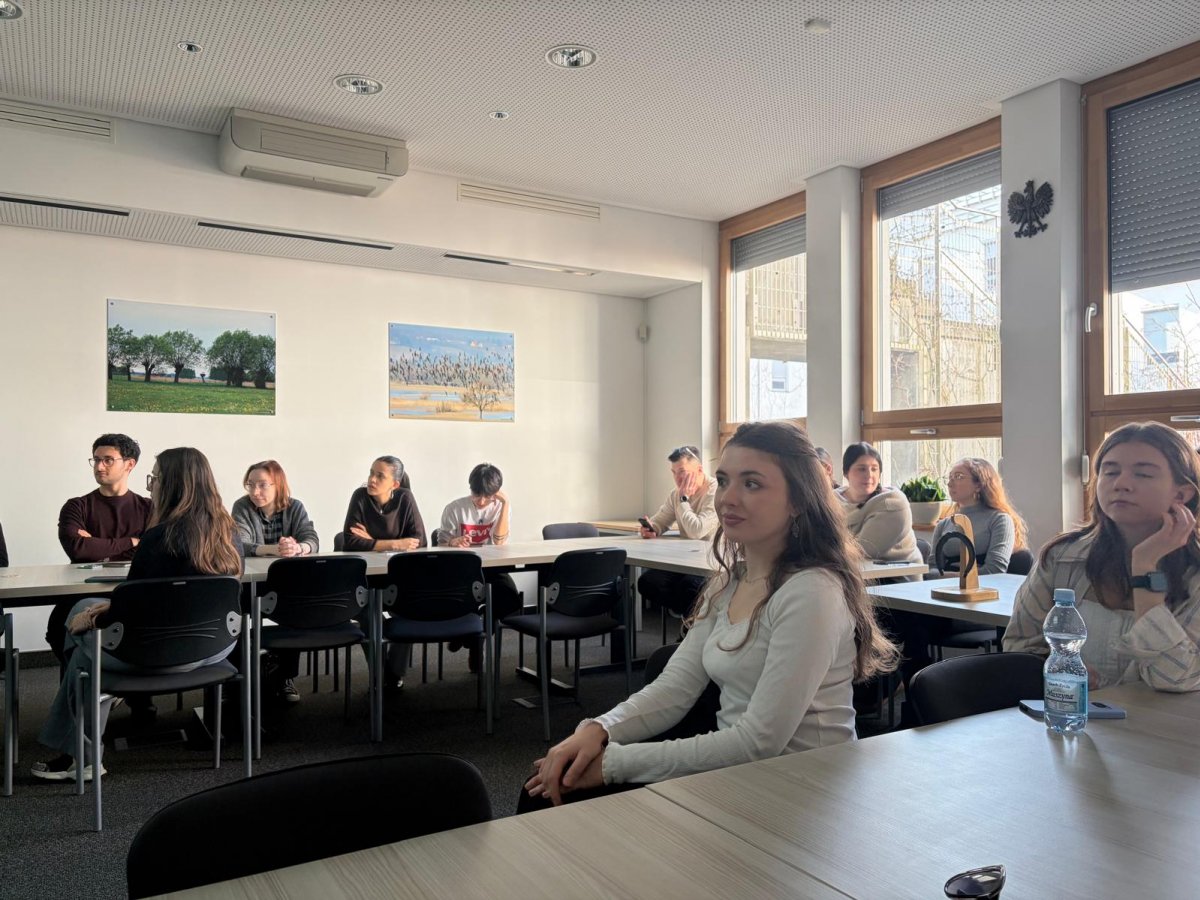
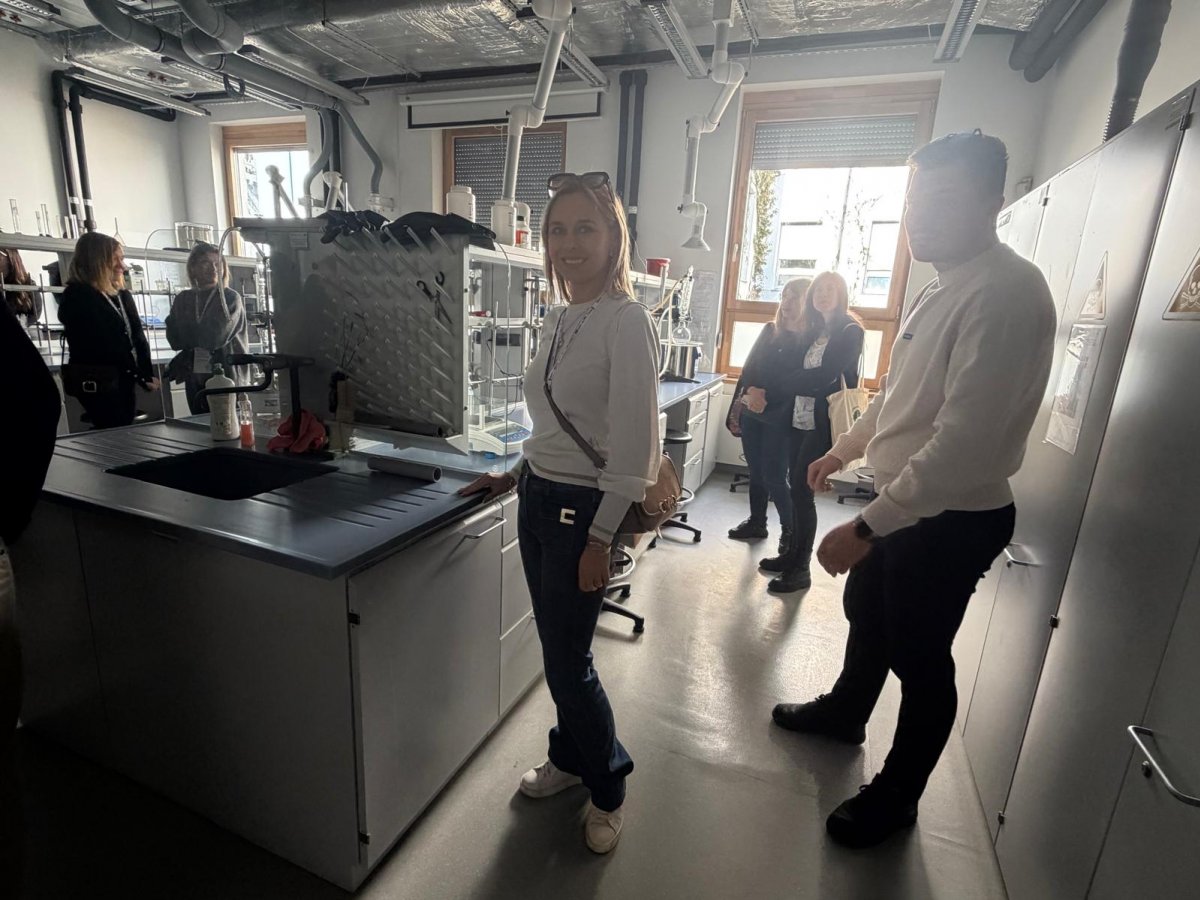
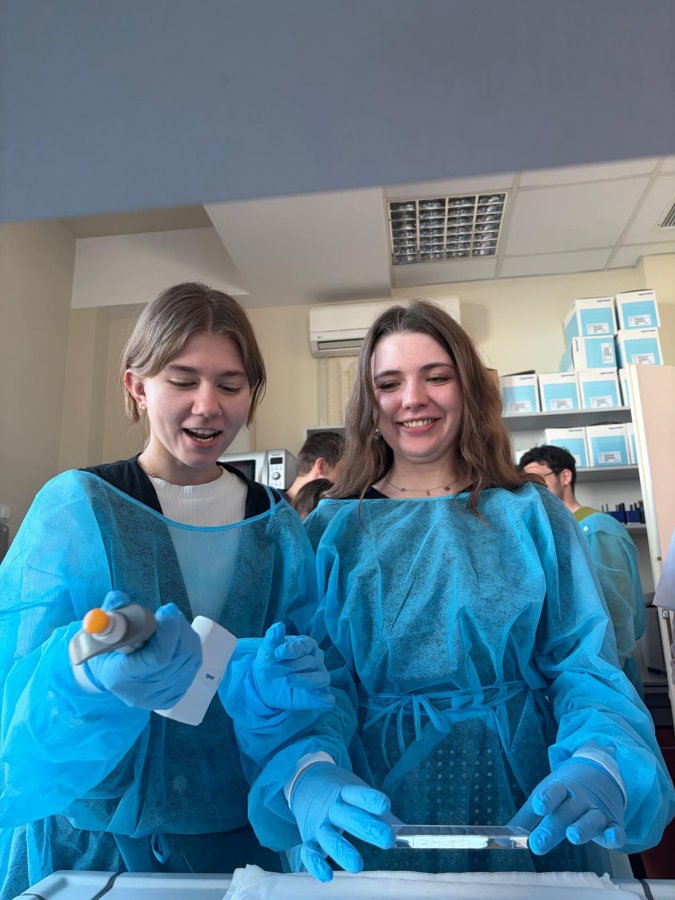
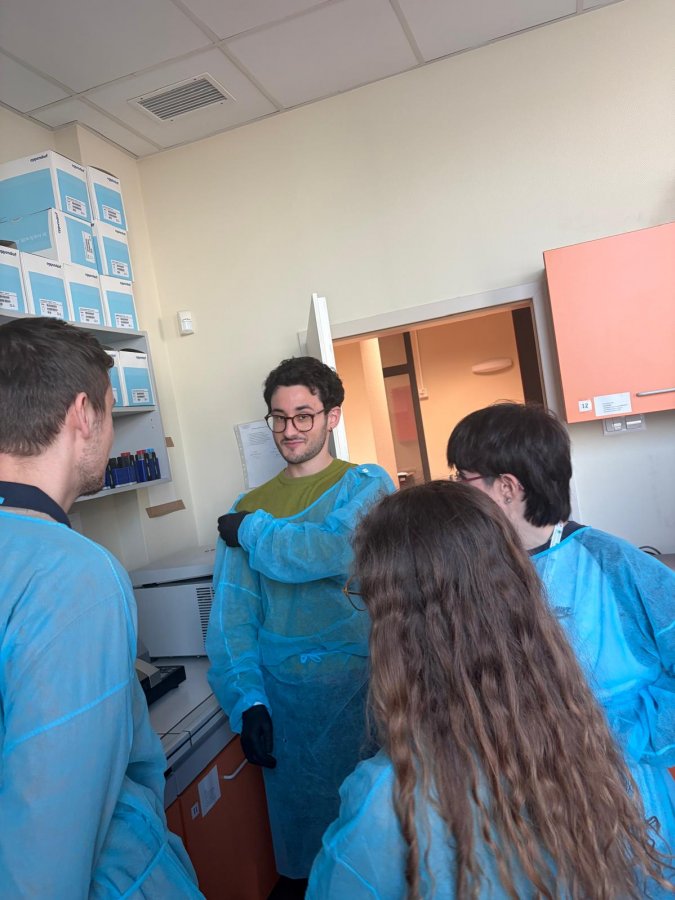
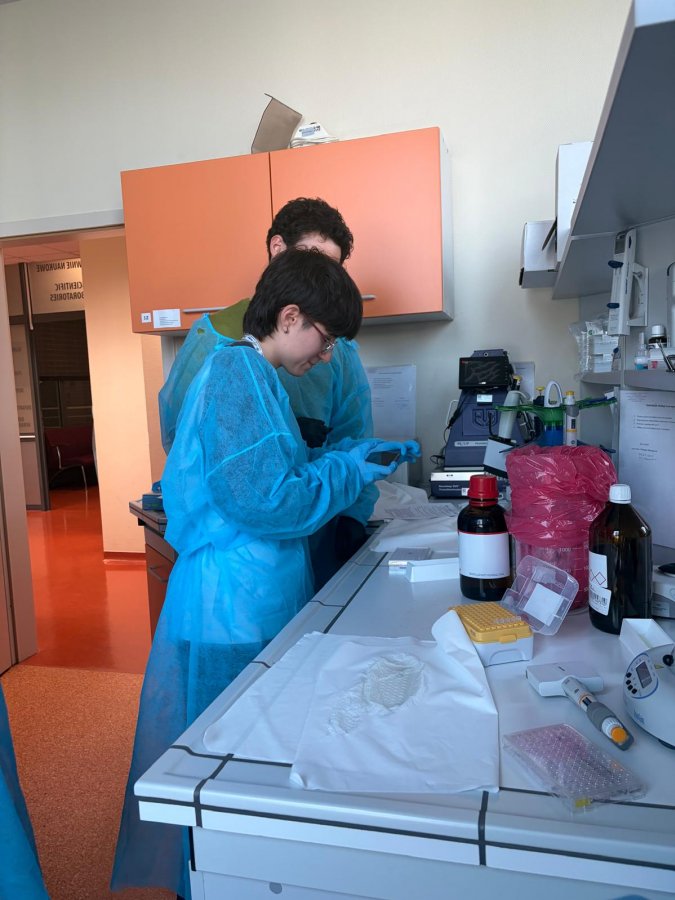
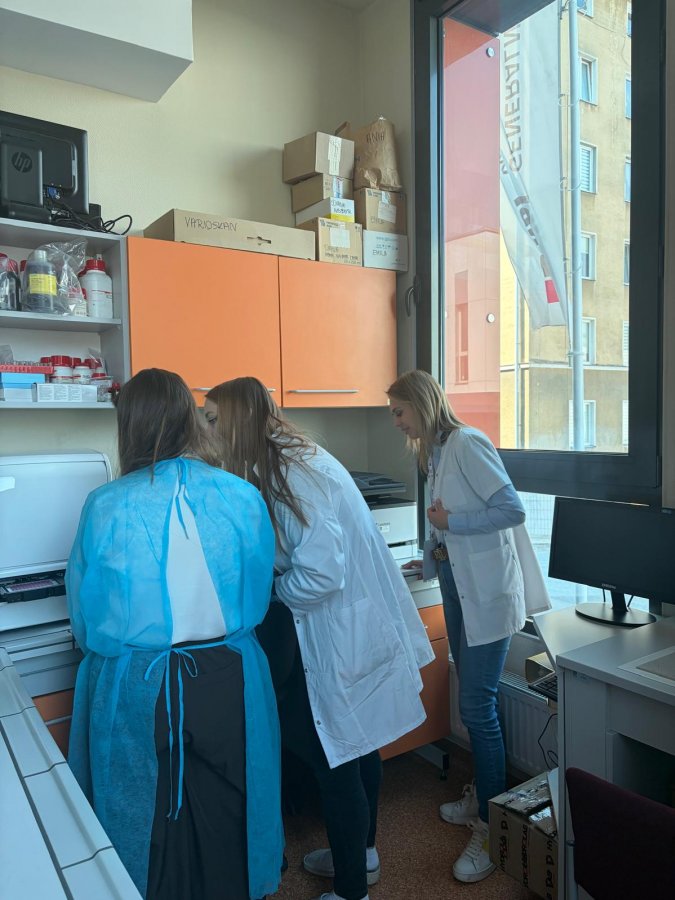
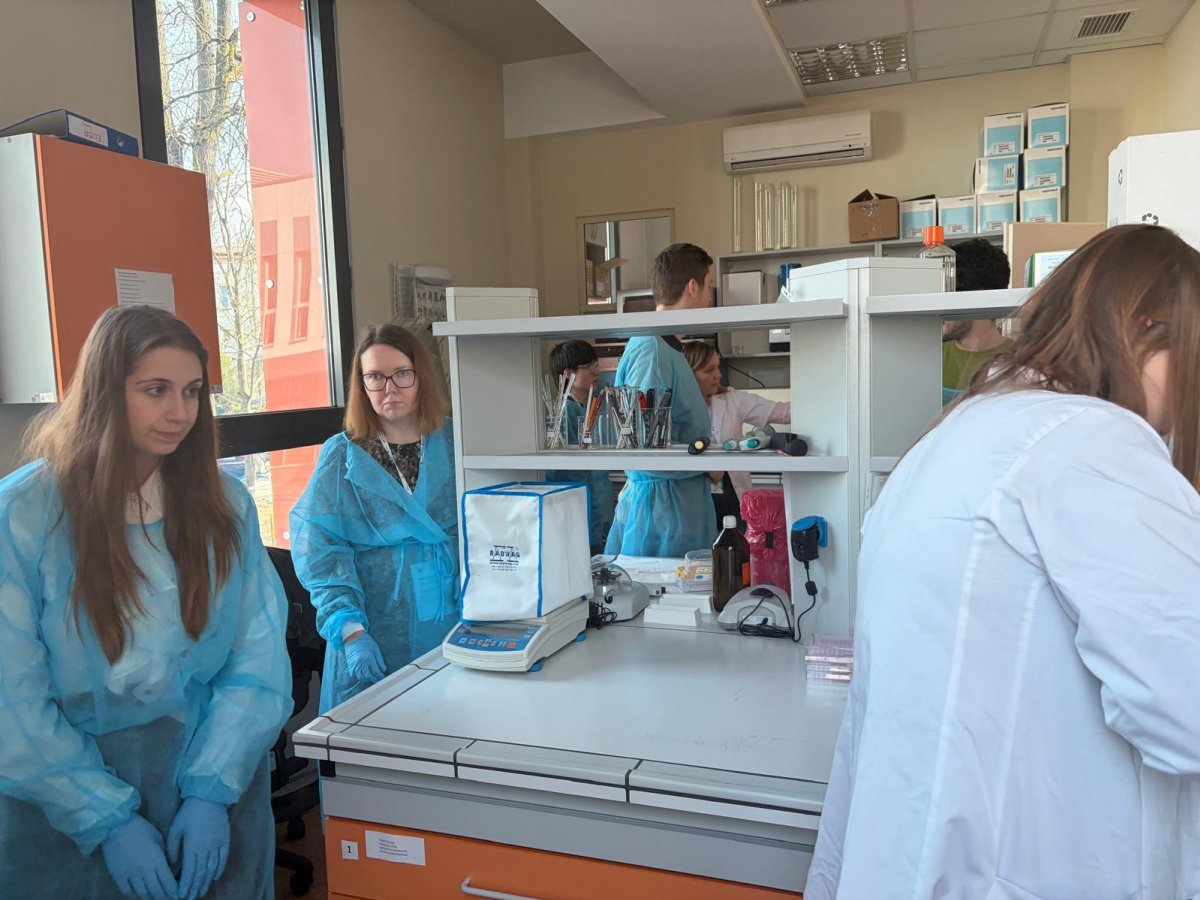
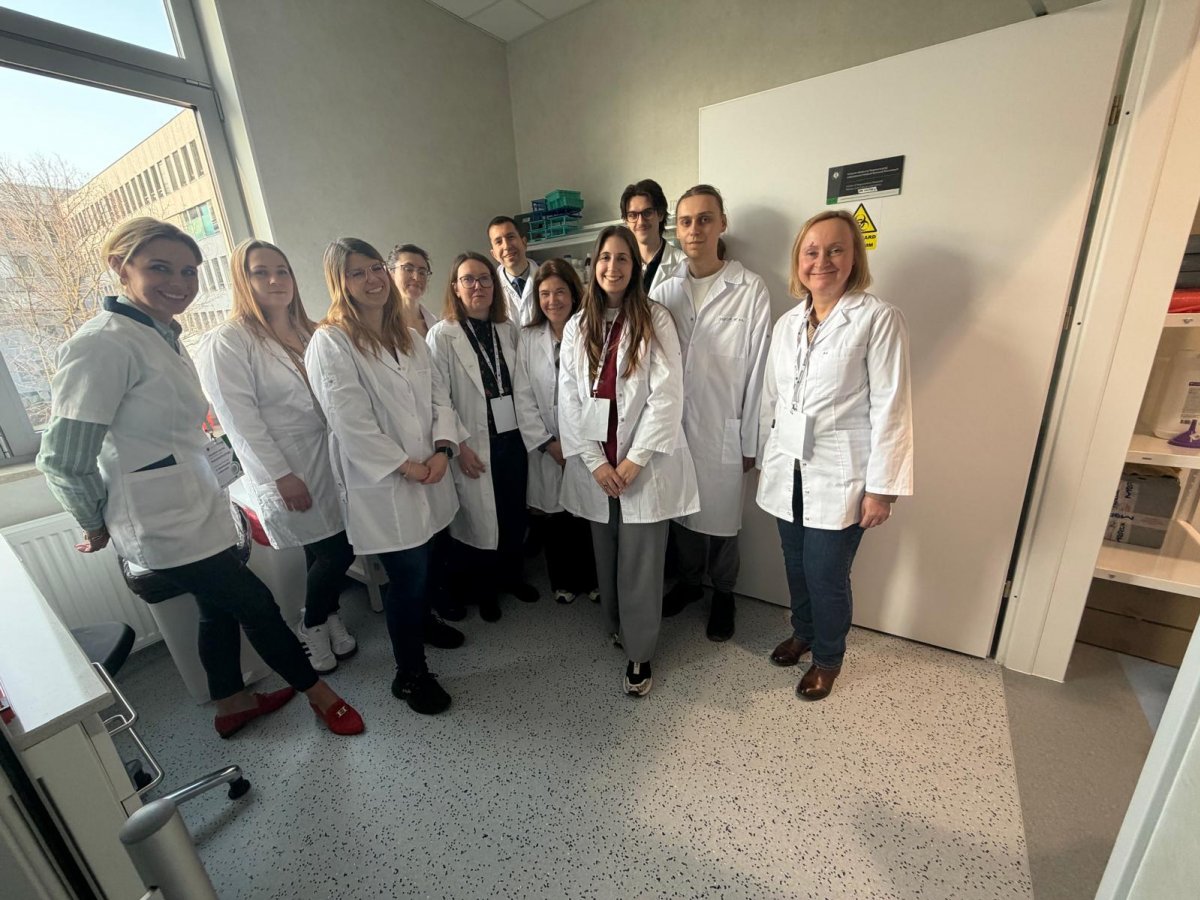
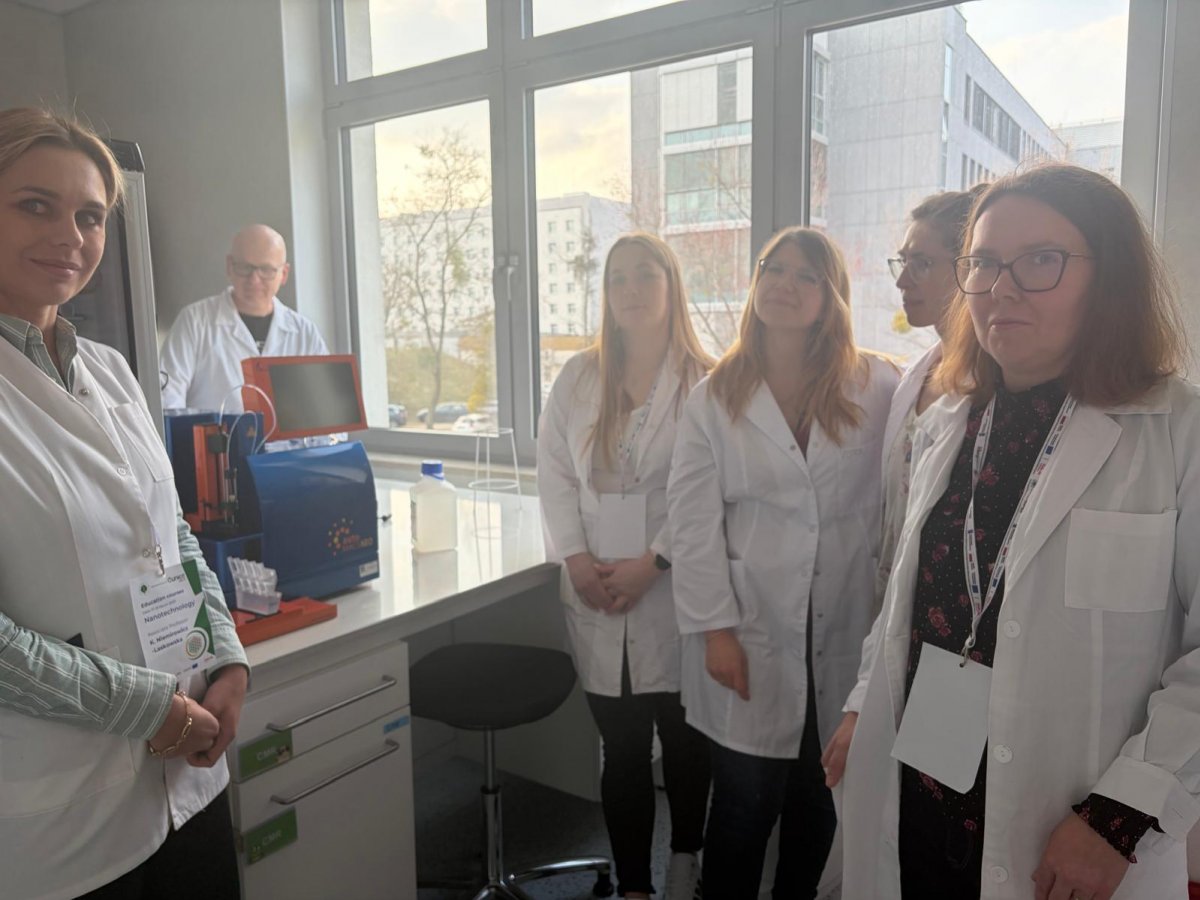
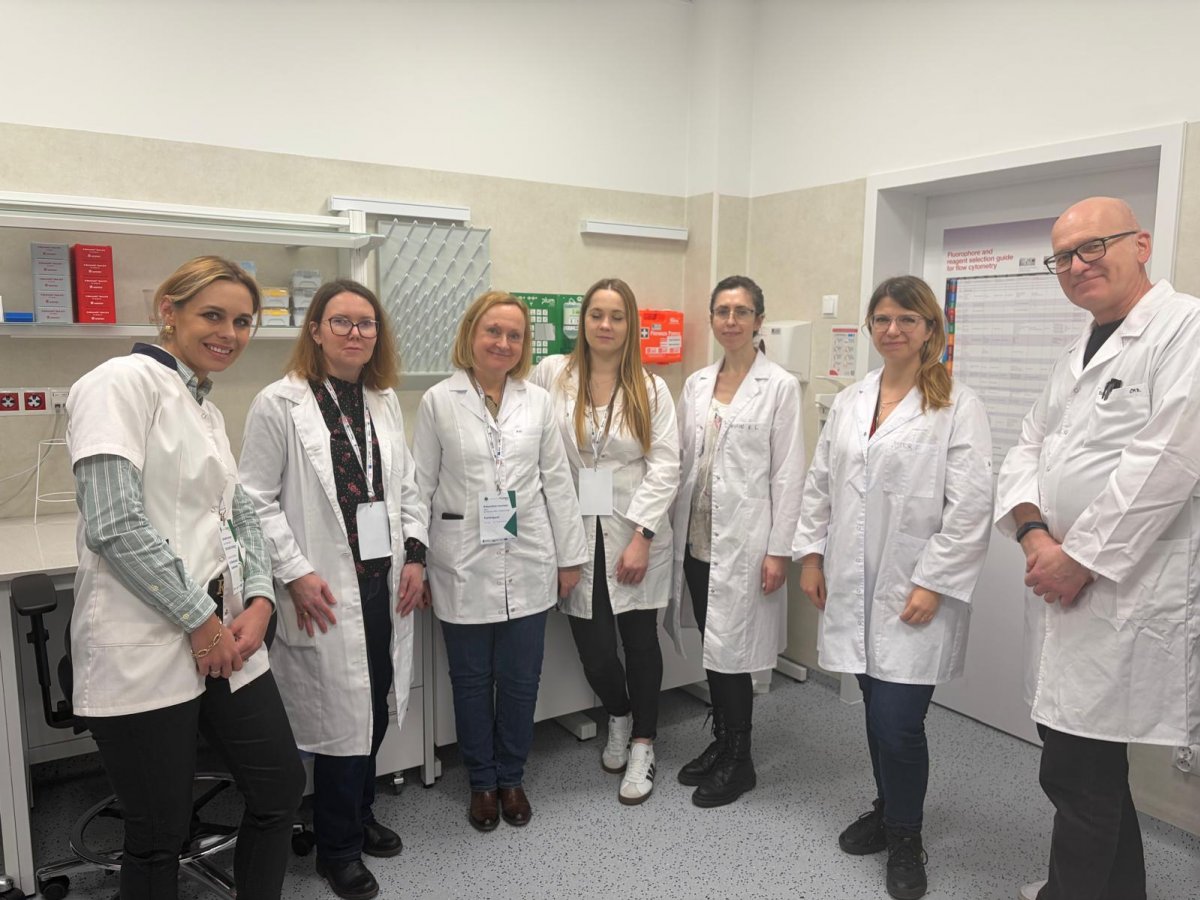
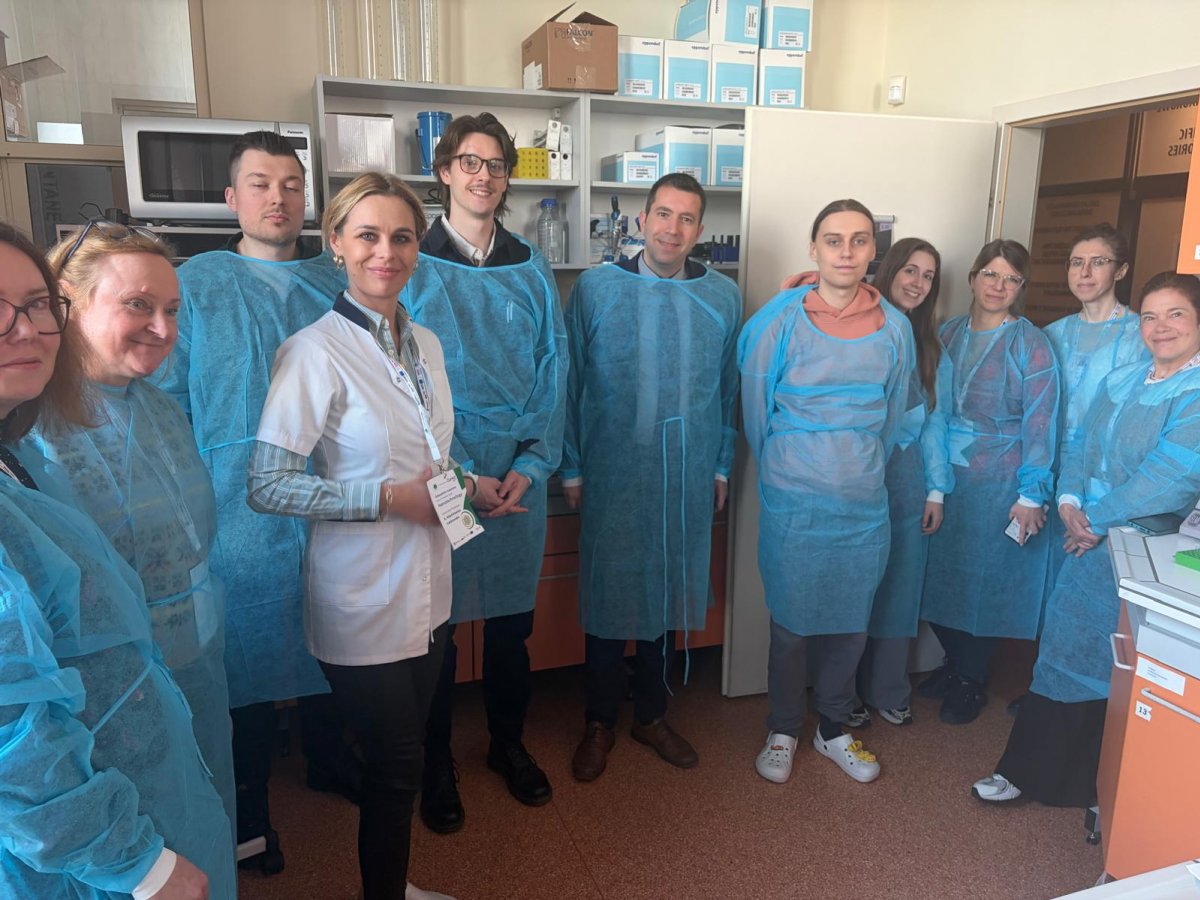
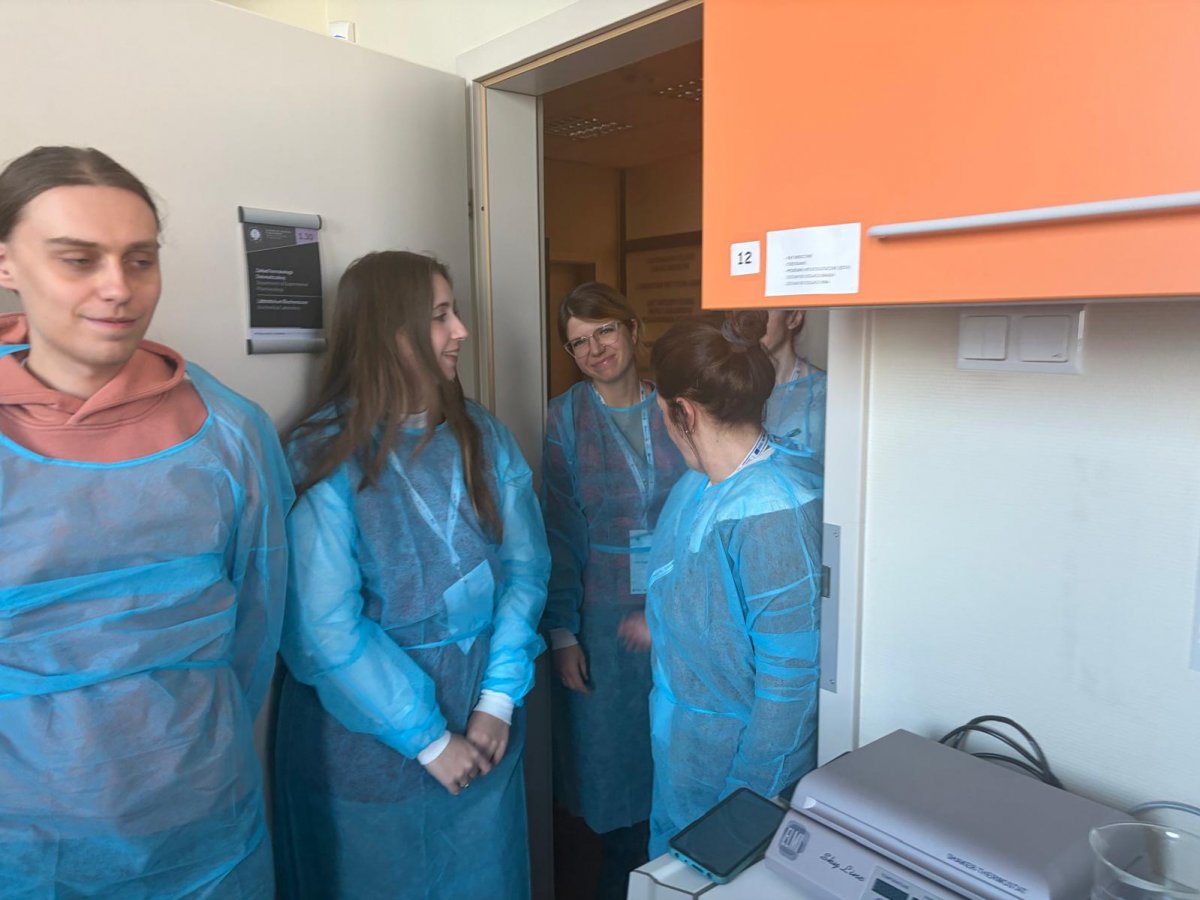
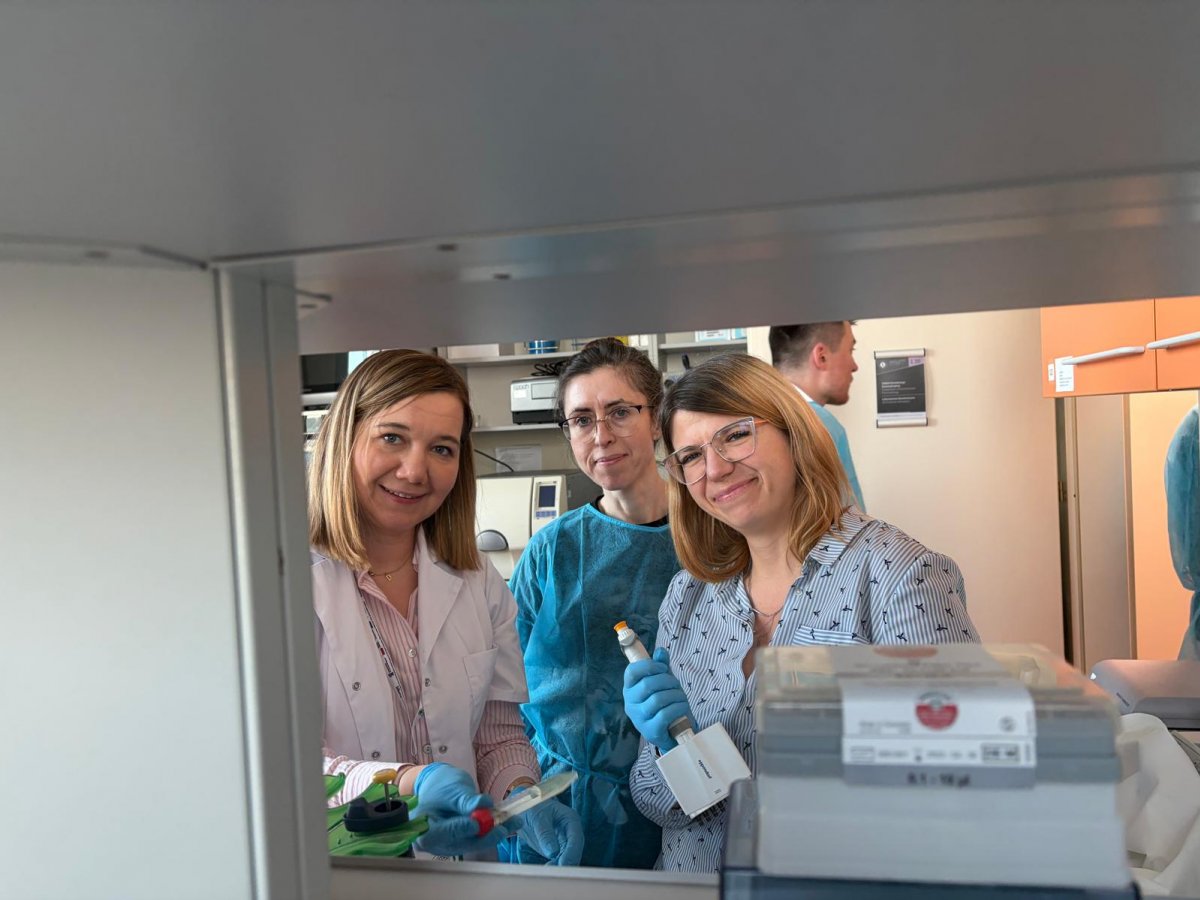
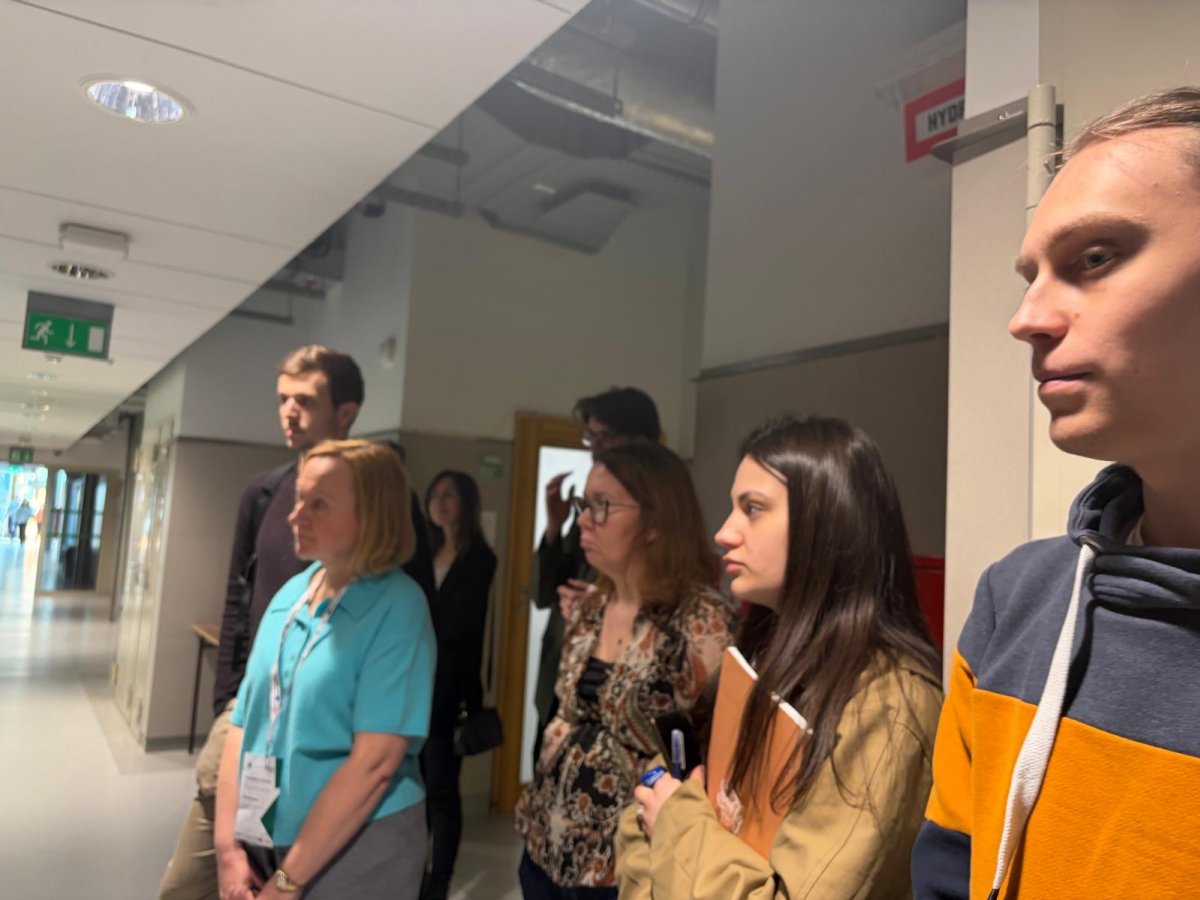
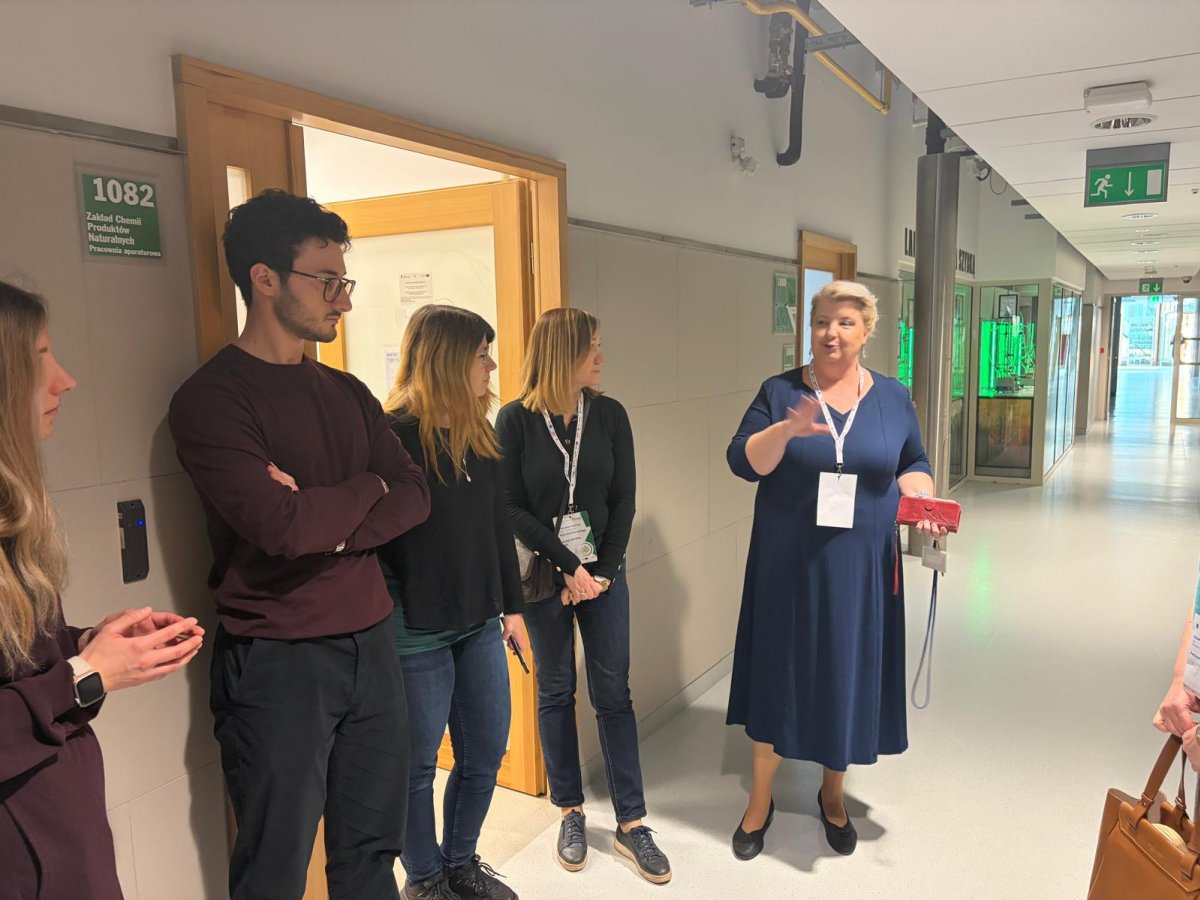
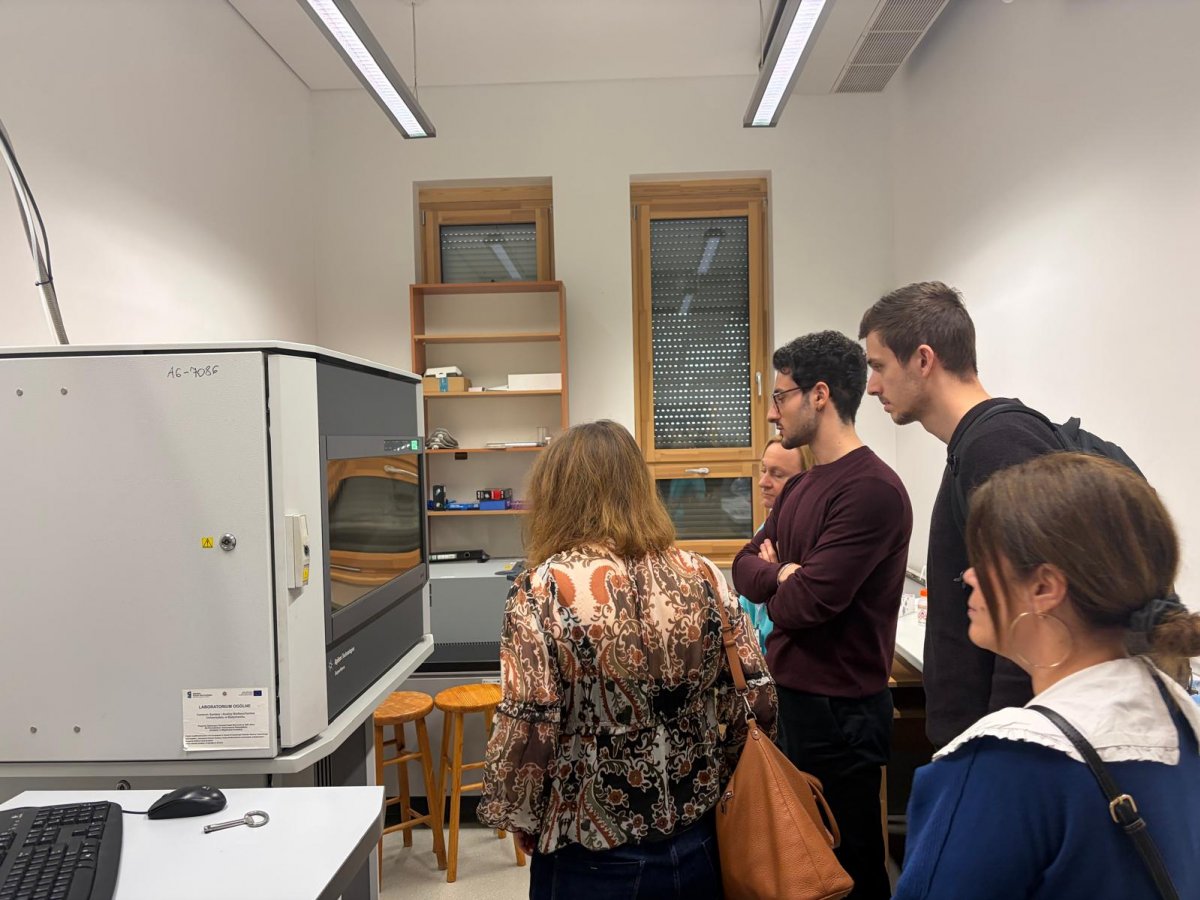
From March 17–19, the Medical University of Bialystok hosted another group of training participants interested in deepening their specialised knowledge in the field of nanotechnology. The three-day training course, attended by as many as 20 participants, was an excellent opportunity for international collaboration with representatives from seven different universities—ranging from Poland’s Poznań University of Technology, through Italy’s Catania, Spain’s Cantabria, Greece’s Peloponnese, Portugal’s Viseu, to Belgium’s Mons, and ending with the Medical University of Bialystok. The team from the MUB, led by dr hab. Katarzyna Niemirowicz-Laskowska, with the support of prof. dr hab. Halina Car, dr Anna Sadowska, dr Diana Sawicka, Beata Skonieczna, M.A., and dr hab. Przemysław Wielgat, opened its laboratories, sharing insights into the latest developments and best practices in the field of nanotechnology. The main part of the training took place at the Faculty of Health Sciences at the MUB, located on Szpitalna Street. In addition to the session at the MUB, participants had a unique opportunity to explore the potential of the neighboring university, the University of Białystok, and its modern BioNanoTechno UwB. This state-of-the-art research center focuses on nanotechnology, biotechnology, materials chemistry, and the analysis of advanced data and materials. This part of the training was led by a researcher from the University of Białystok, prof. dr hab. Agnieszka Z. Wilczewska.
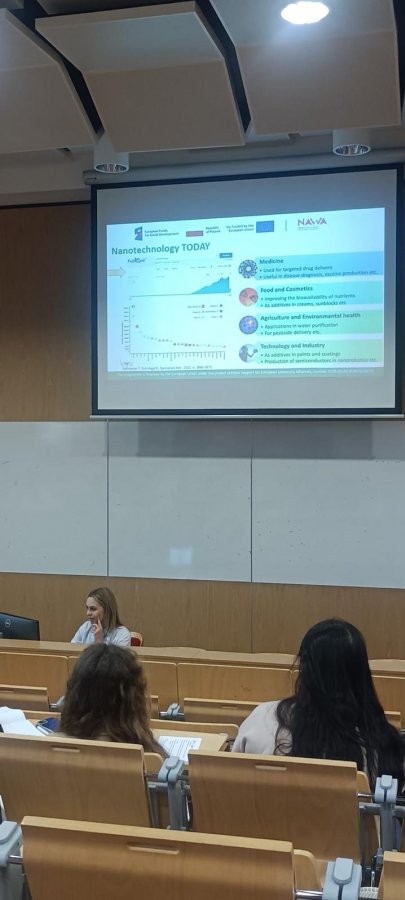
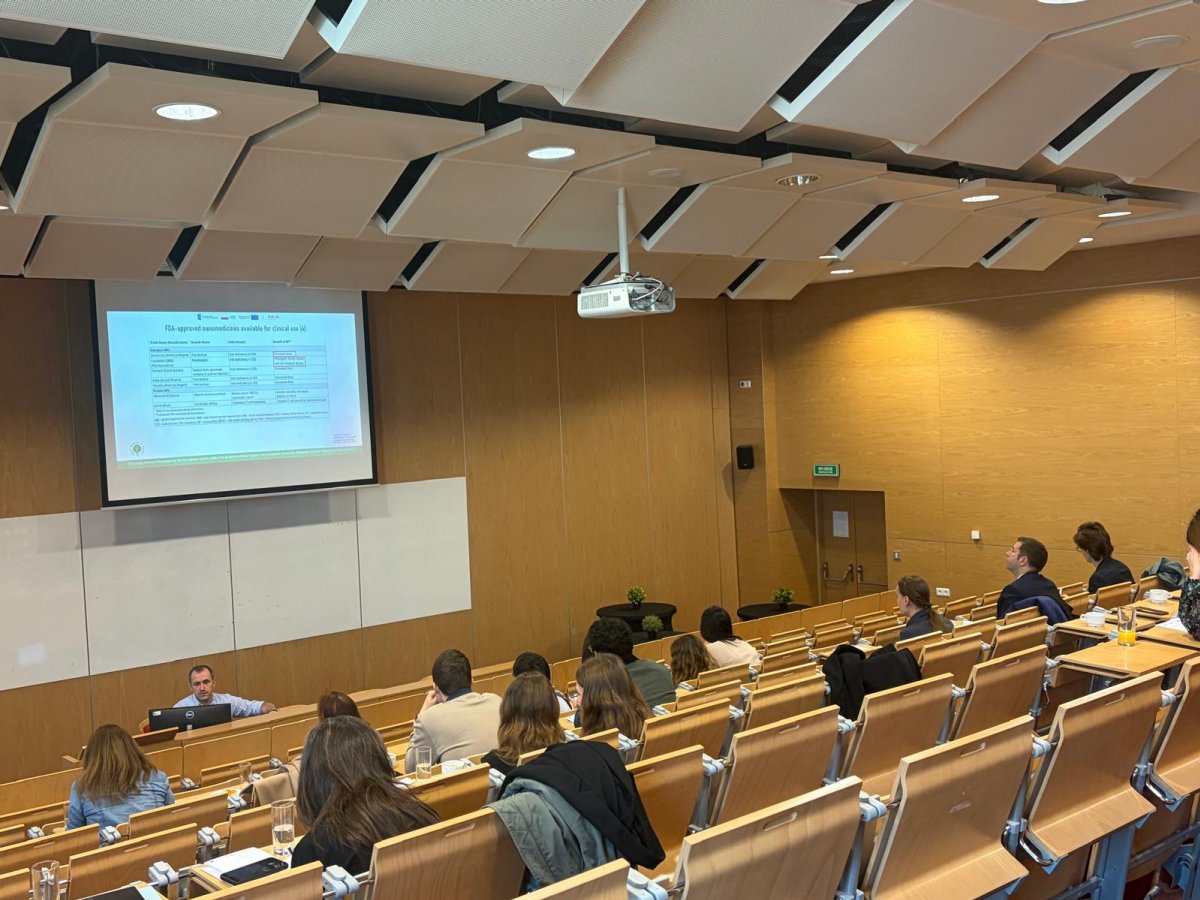
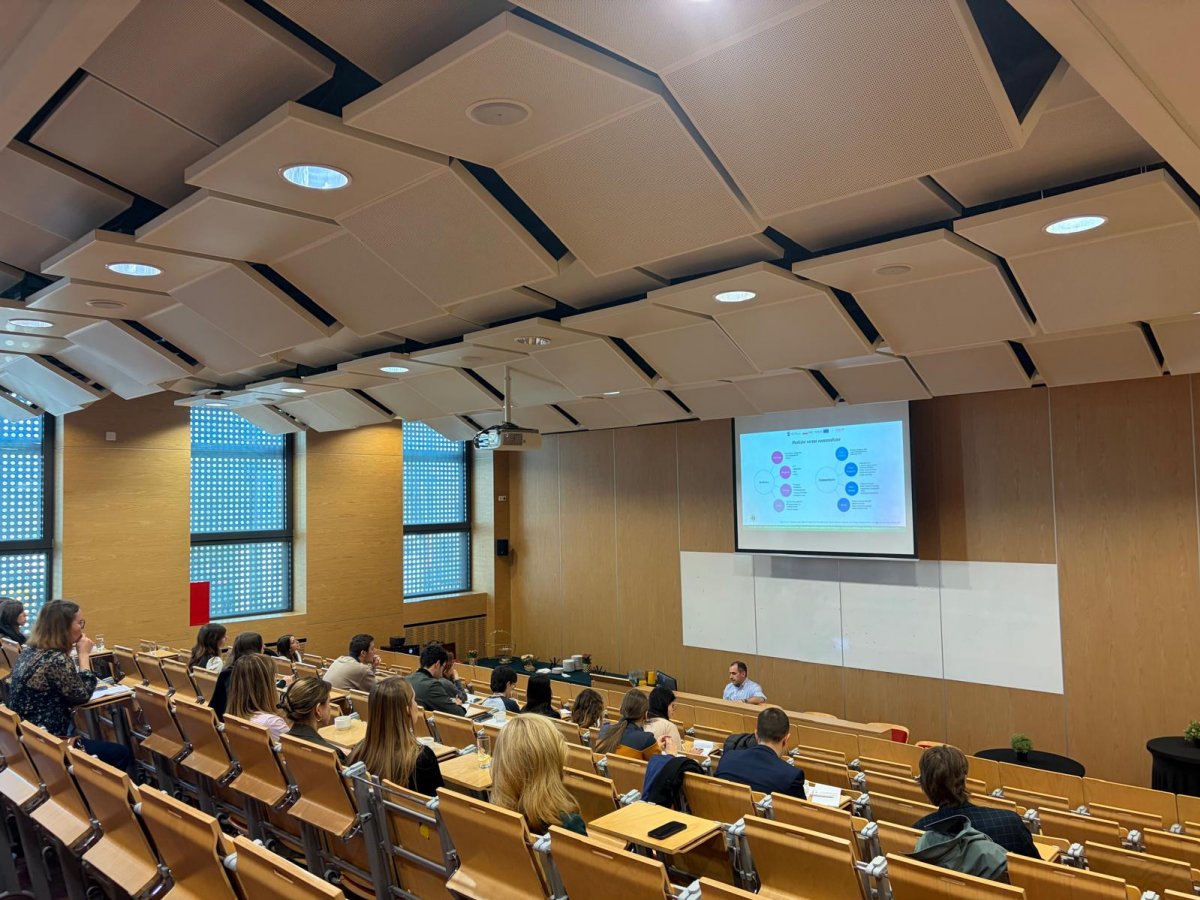
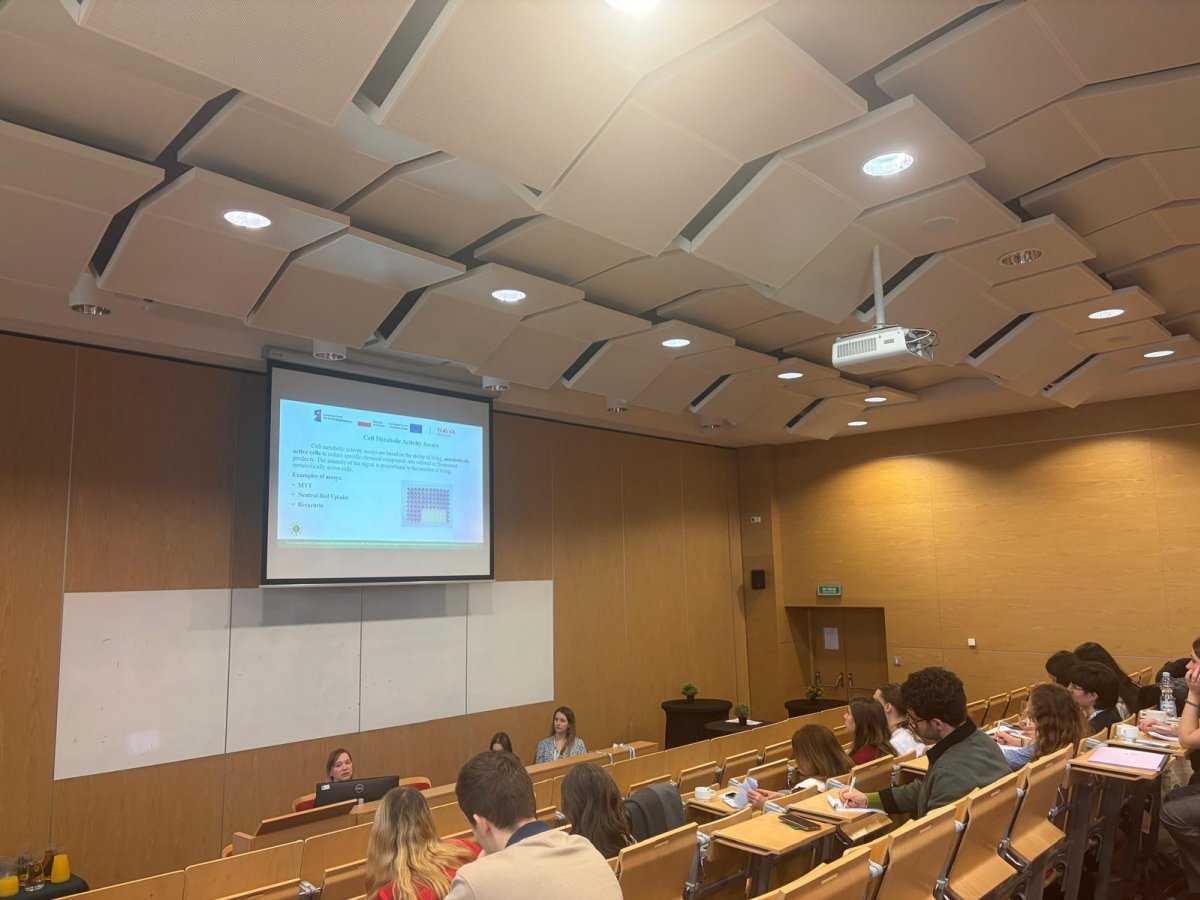
The event was attended by students, doctoral candidates, and faculty members, creating an exceptionally diverse and inspiring academic community. This was the third training session organized as part of the valuEU project, whose strategic goal is to strengthen cooperation with the EUNICE European University. The event was organized by the International Cooperation Department, in close substantive collaboration with nanotechnology specialists from the Medical University of Bialystok (primarily from the Department of Experimental Pharmacology), who ensured a high level of expertise and an engaging program for the event. The training focused on the latest achievements in the field of nanotechnology, with particular emphasis on its applications in medicine, pharmacy, and diagnostics. Participants had the opportunity to attend lectures led by experts, practical workshops, and discussion sessions, which fostered the deepening of knowledge and the exchange of experiences. The high quality and relevance of the presented content were very well received by the participants.
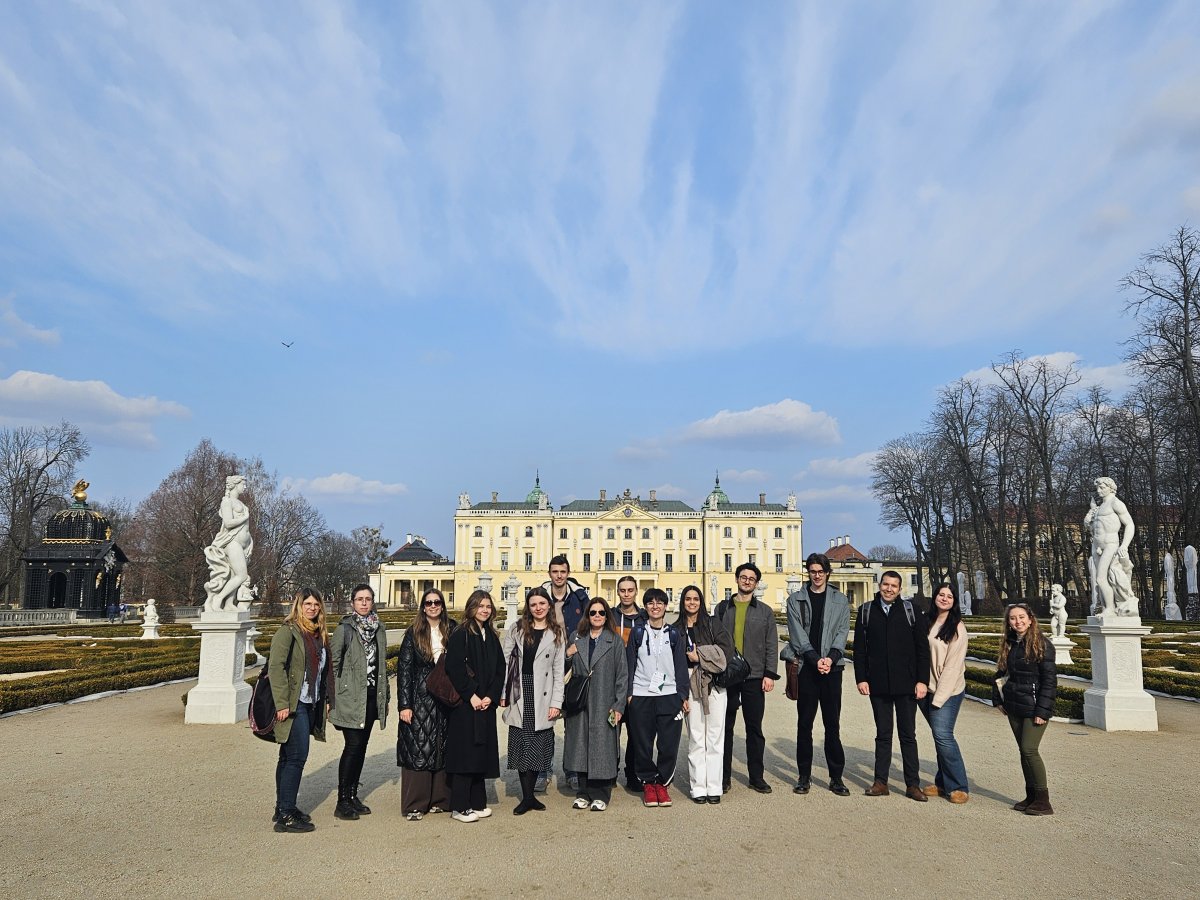
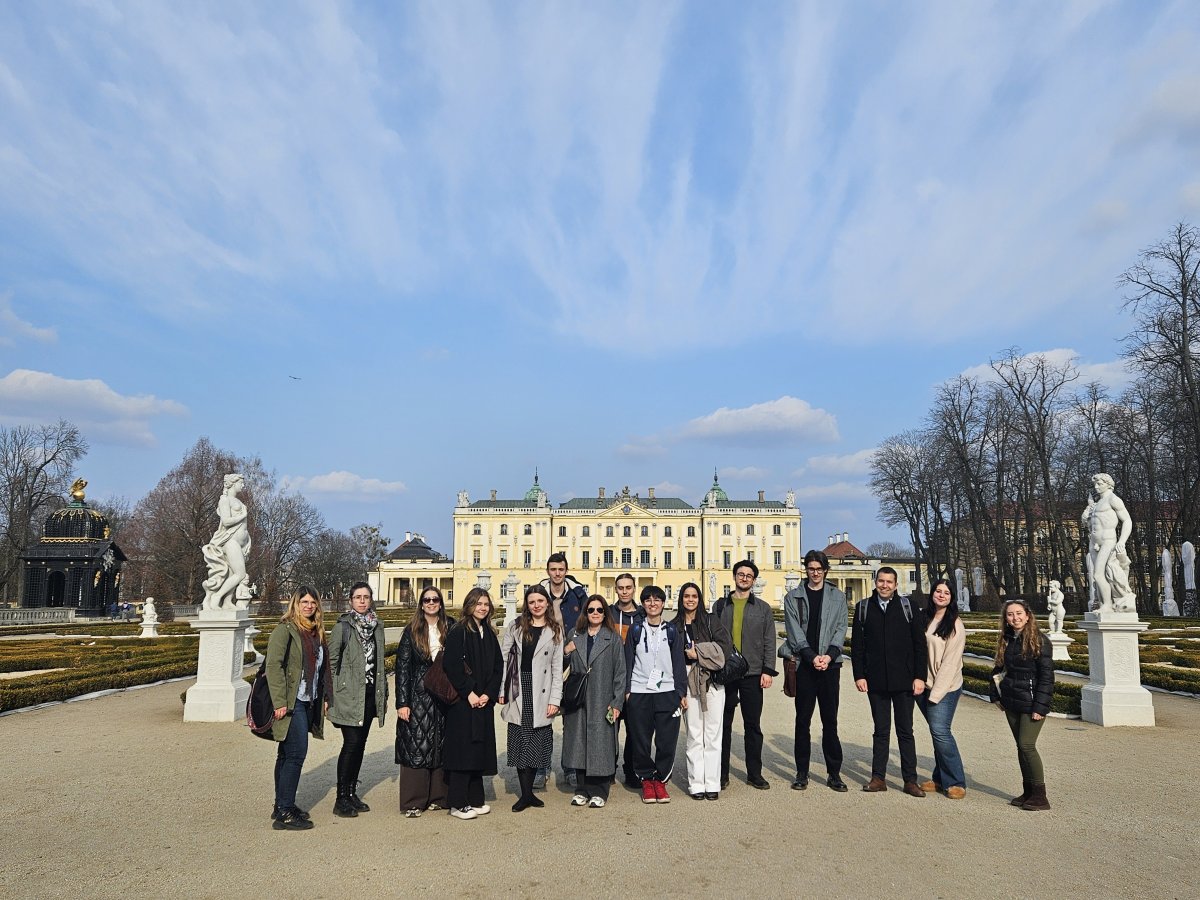
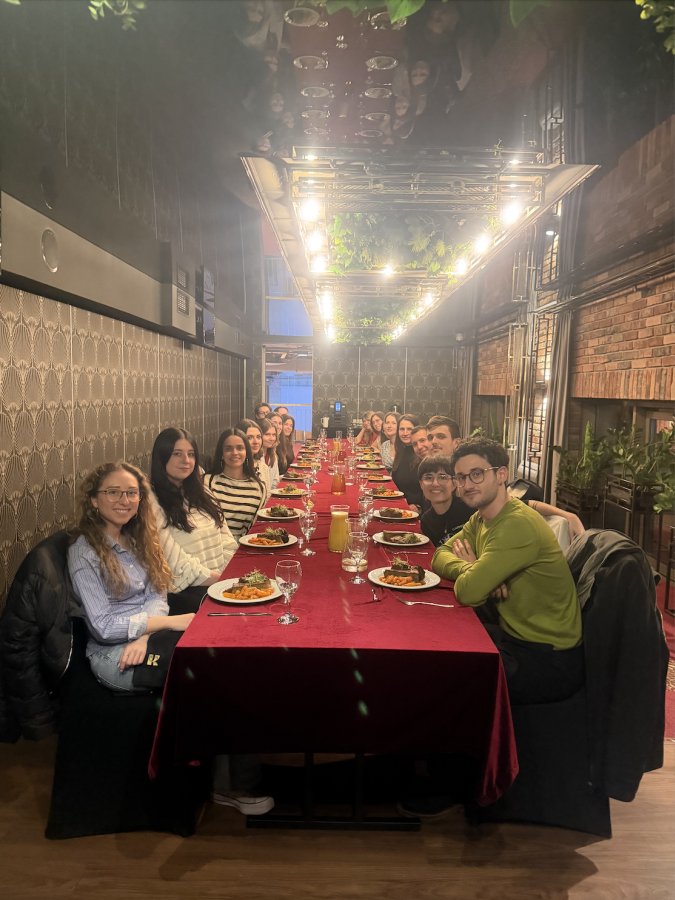
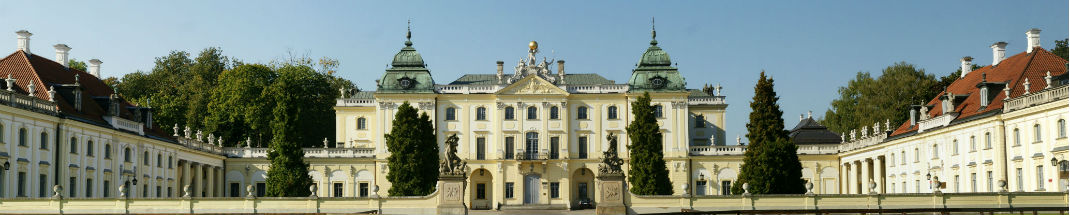
One of the key aspects of the training was networking. Bringing together people from different countries and research institutions created an excellent opportunity to make new contacts, build international relationships, and initiate future research projects. The training was complemented by team-building activities, including a tour of the Branicki Museum and Palace and a social dinner. Participants emphasized that the direct exchange of experiences and ideas was just as valuable as the educational component itself.
The next and final training sessions in this round will cover topics related to dementia and understanding puzzling behaviors. Details and registration for the second round of courses will be announced soon. We encourage you to follow the updates on the MUB website.
The event was organized as part of the “valuEU – strengthening the potential of the Medical University of Bialystok in the EUNICE European University” project, which aims to strengthen the university’s research potential by developing international cooperation and opening the university to partners from across Europe.
The program is funded by the European Union as part of the project titled “Support for European University Alliances,” project number FERS.01.05-IP.08-0219/23 (FERS Projects).