
 Connect with a PJM translator
 Font size
 Contrast version
 Monochrome version
 Text version
 Reset settings
International knowledge exchange, practical experience, and modern analytical technologies—from August 11–13, 2026, the Medical University of Bialystok hosted participants in a specialized course titled “Metabolomics.”
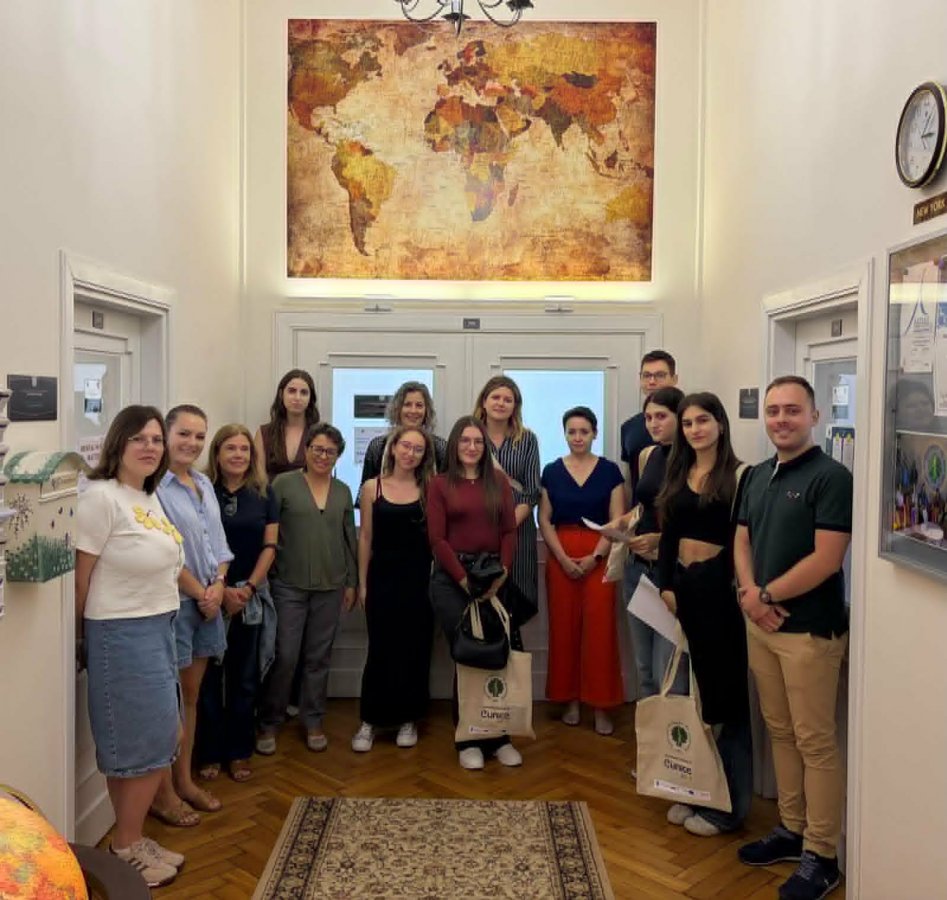
The three-day event brought together students and staff from partner universities, including those from Greece, Portugal, France, and Spain, as well as representatives from the Medical University of Bialystok. The course was organized as part of the “Support for European University Alliances” project and provided an opportunity not only to gain specialized knowledge but also to exchange experiences and establish contacts within the international academic community.
From Theory to Practice—Metabolomics in the Spotlight
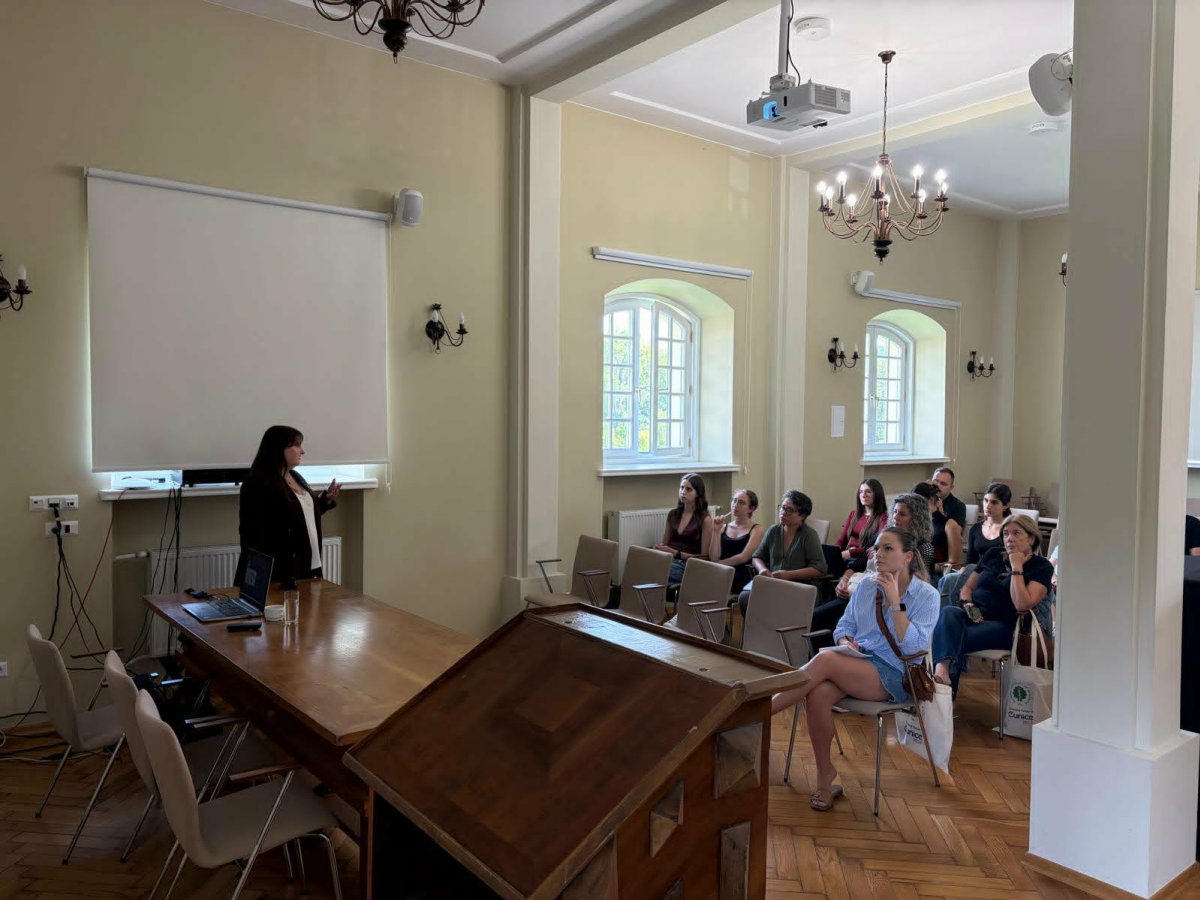
The course was designed to guide participants through the successive phases of metabolomic research, from theoretical foundations and sample preparation, through analysis using GC–MS, to data processing, statistical analysis, and interpretation of the results.
The curriculum covered the fundamentals of metabolomics and its application in clinical research, presented by Dr. Joanna Godzień. Theoretical and practical sessions on statistical analysis of metabolomic data were led by Dr. Katarzyna Miniewska. Dr. Patrycja Mojsak led workshops on GC–MS data processing and analysis, while Dr. Dariusz Kiejza and Sandra Chmielewska, M.A., were responsible for the laboratory component involving the preparation of clinical samples for GC–MS analysis.
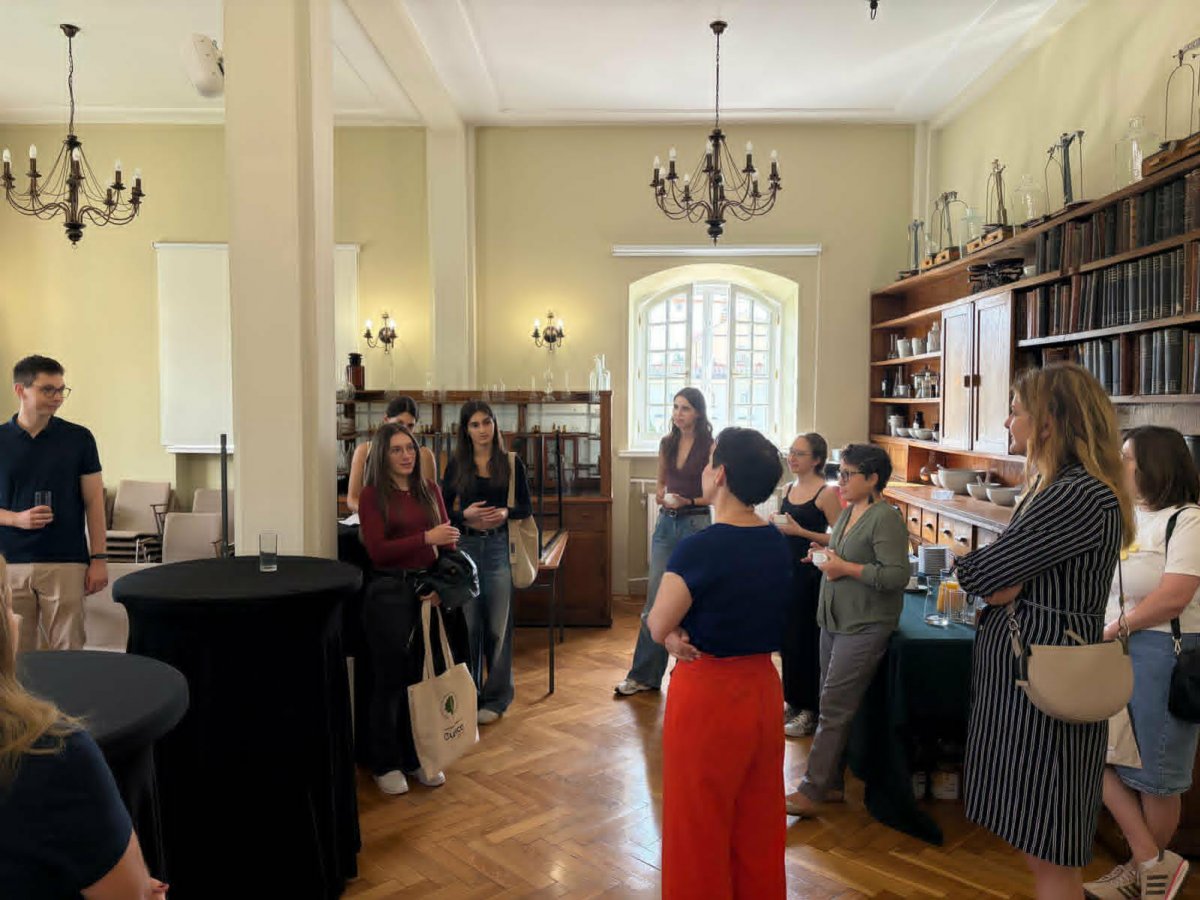
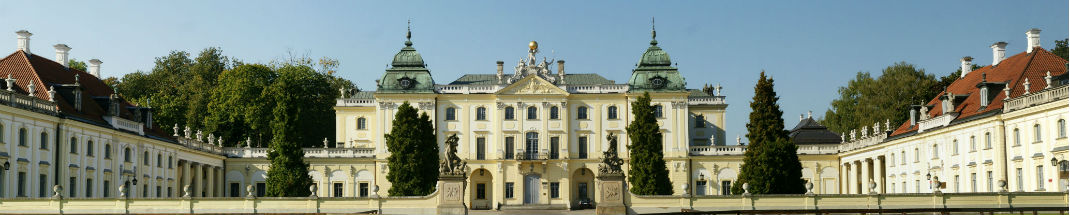
The first day was devoted to an introduction to clinical metabolomics, including a comparison of targeted and untargeted approaches, the application of GC-MS in clinical research, and the fundamentals of statistical analysis of metabolomic data. The scientific program was complemented by cultural activities—participants visited the UMB Museum and toured the historic Branicki Palace.
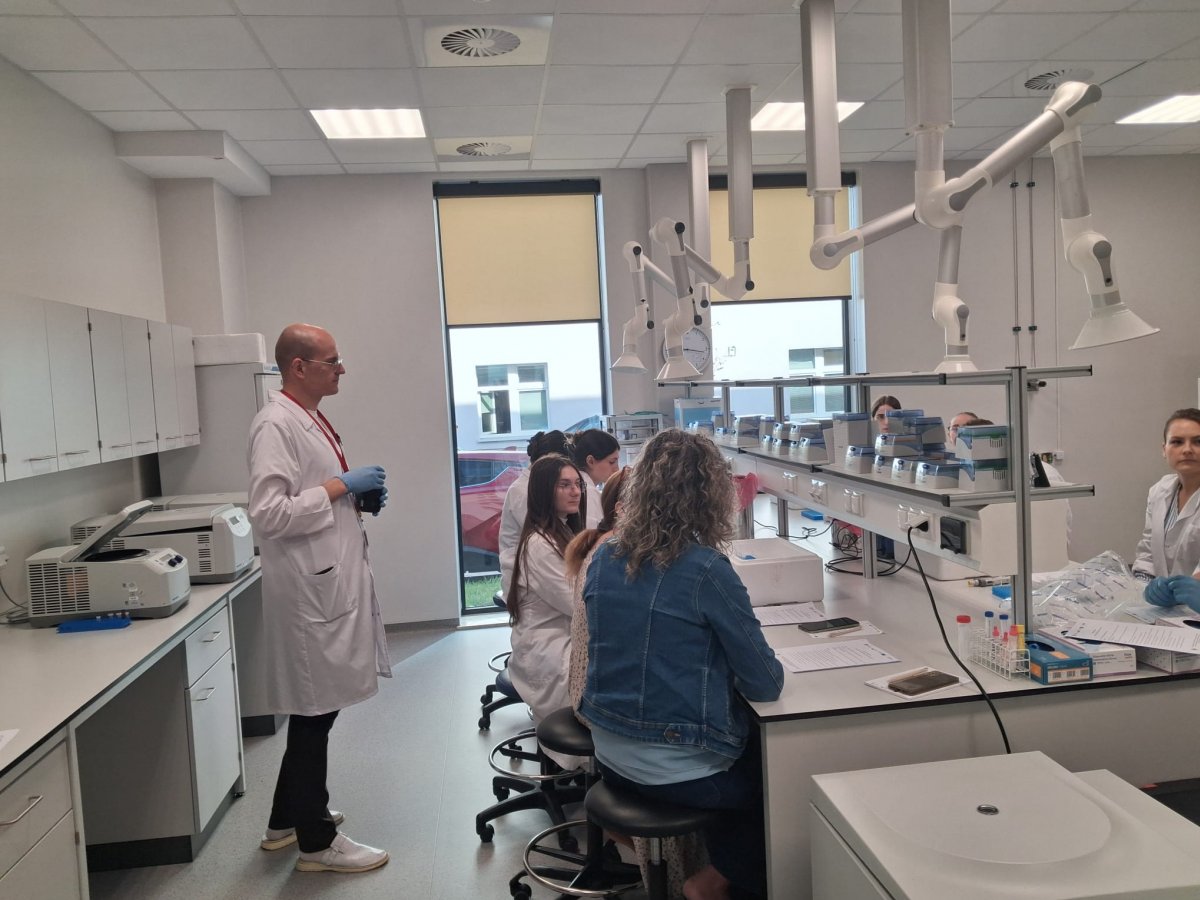
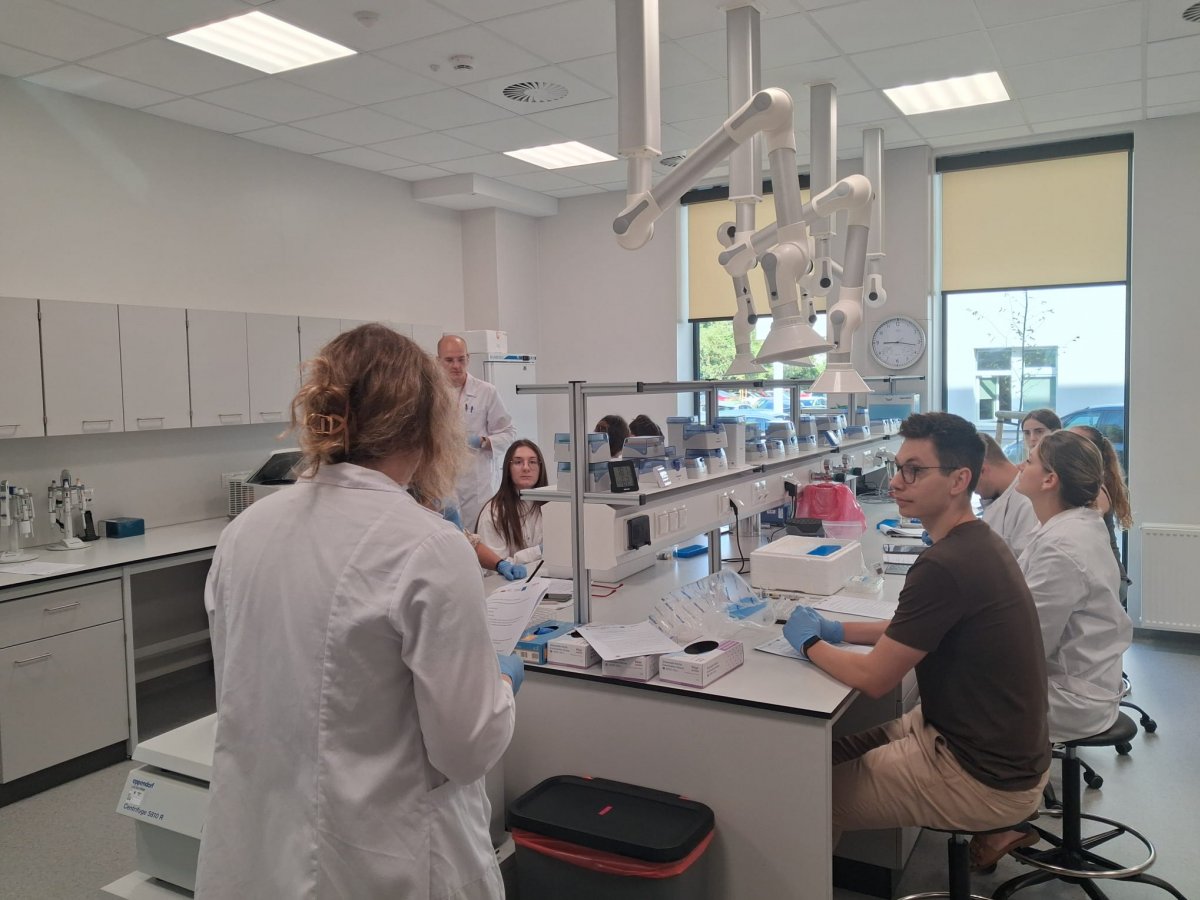
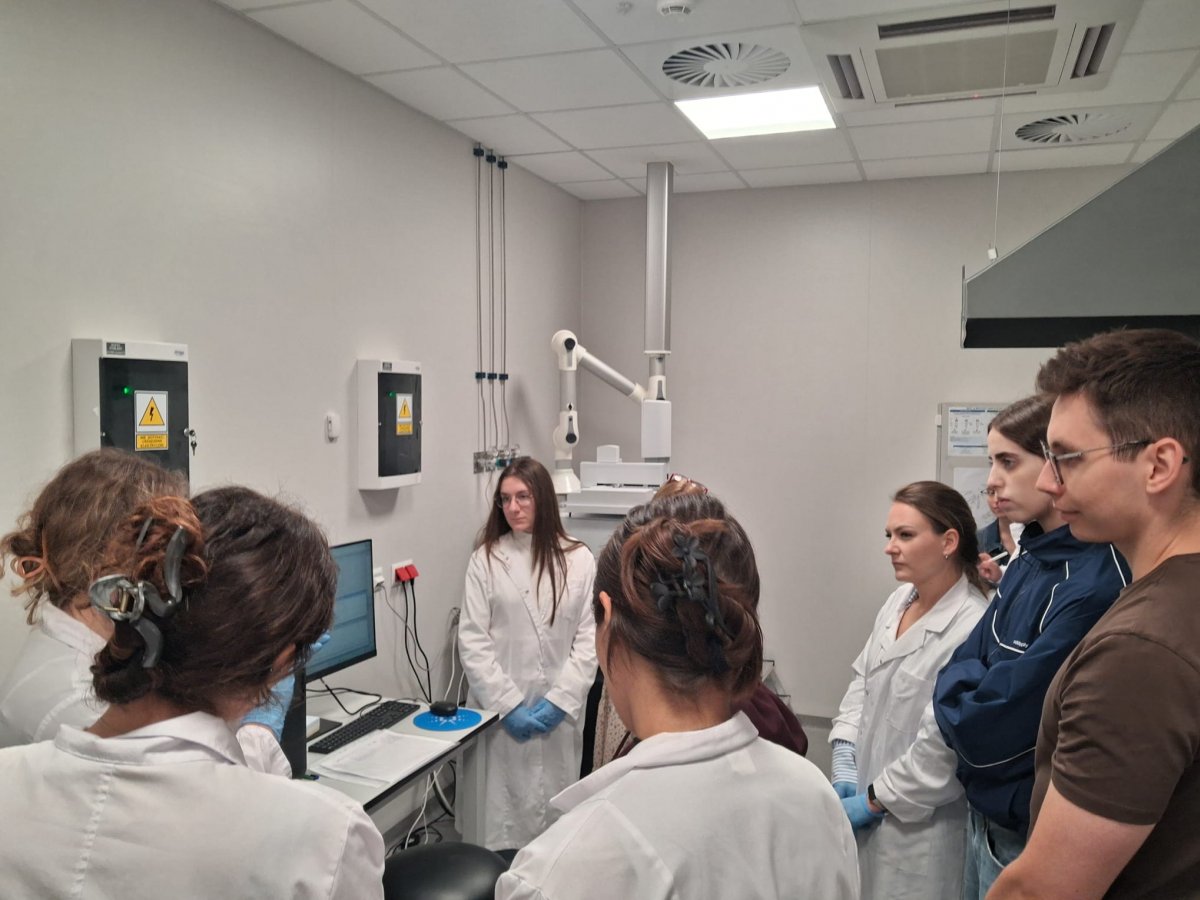
The second and third days were dedicated to practical training. Participants learned about the successive stages of clinical samples preparation for GC–MS analysis, including the derivatization procedure and the practical aspects of preparing material for metabolomic studies.
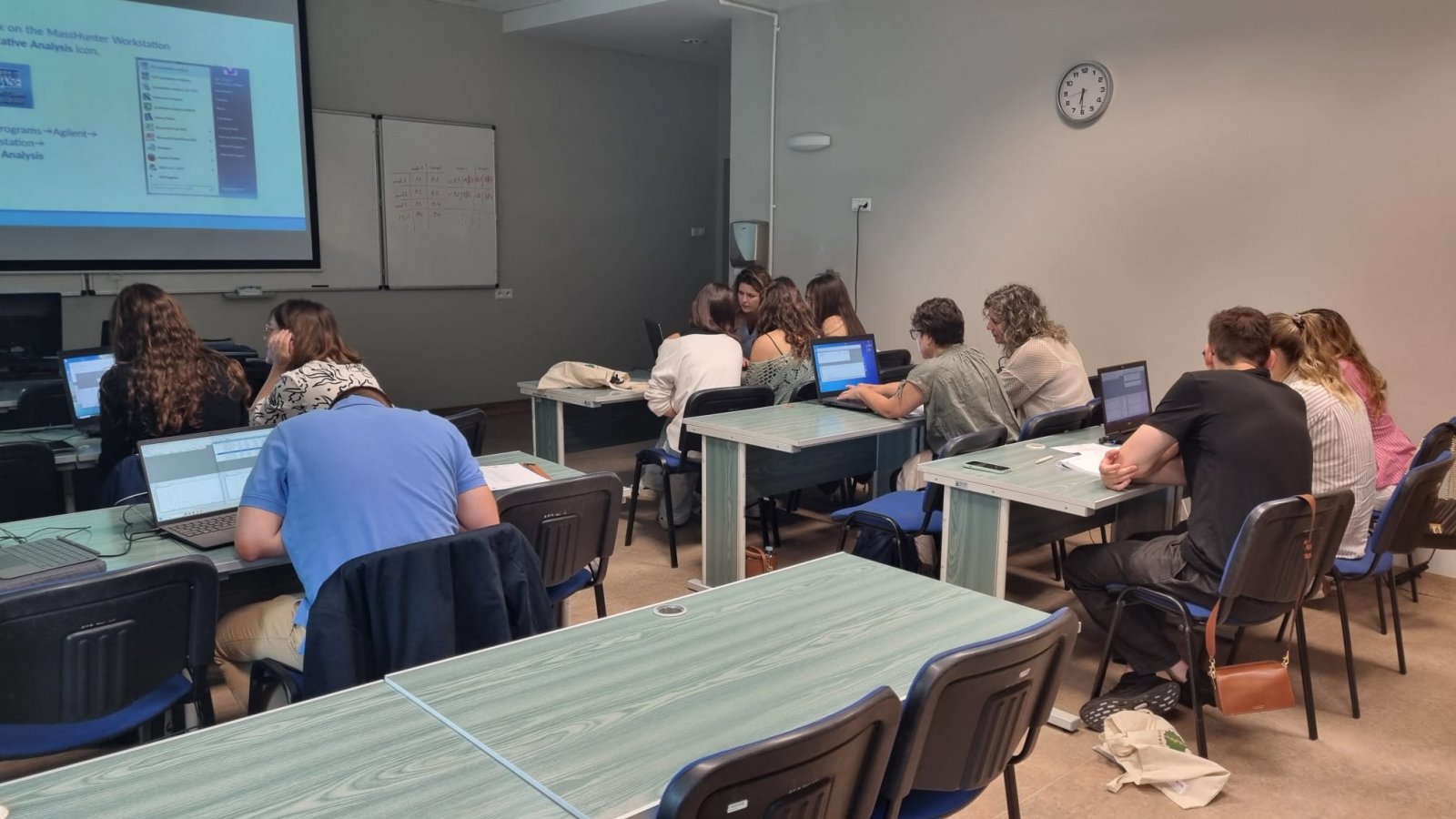
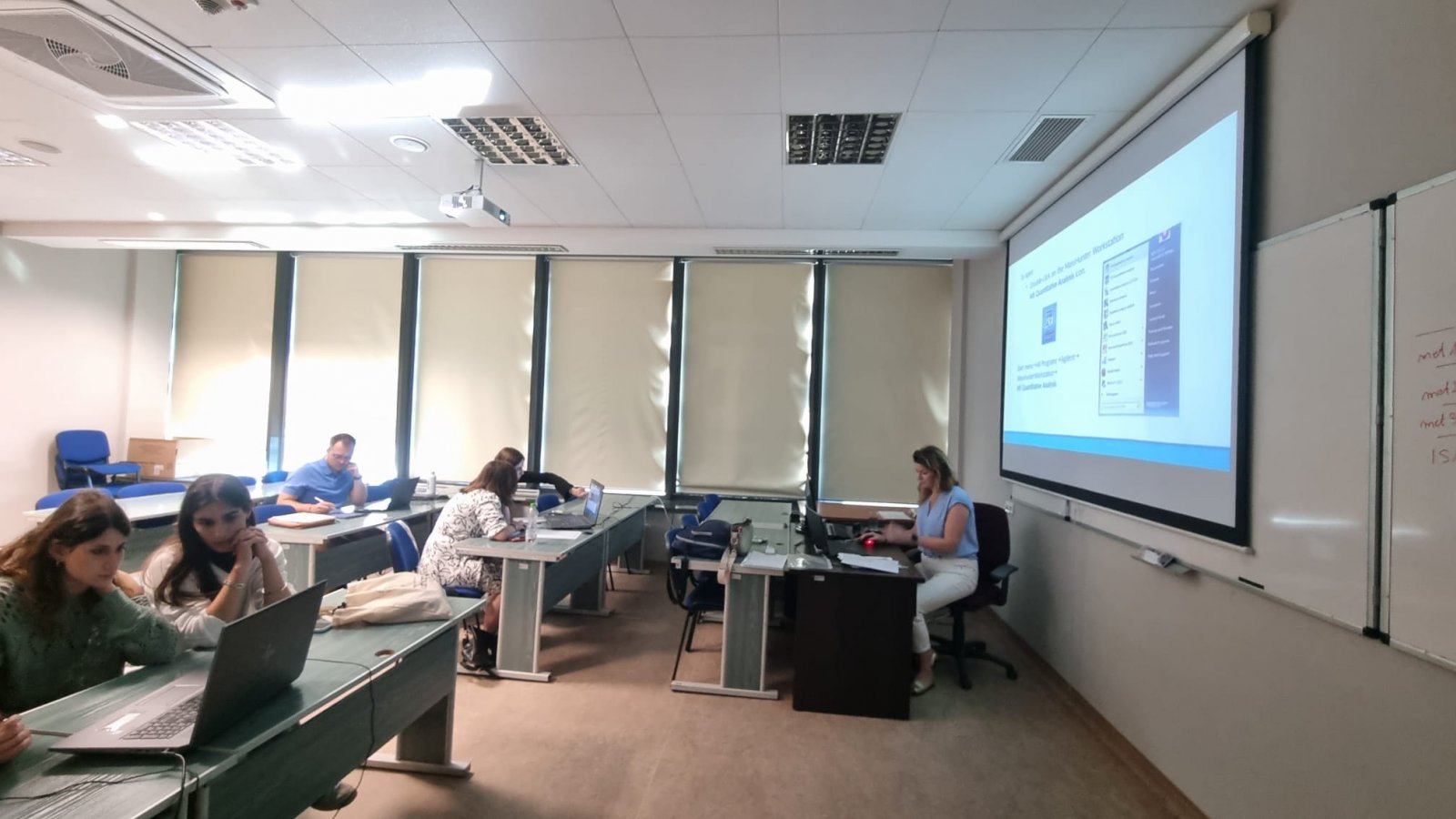
In the second part of the sessions, they began working with data, a process they continued on the final day of the course. The computer workshops covered the successive steps of data processing and analysis in non-targeted metabolomics, including deconvolution, metabolite annotation using mass spectrum libraries, the creation of custom libraries, and the preparation of a data matrix for statistical analysis. Participants also familiarized themselves with statistical analysis methods and independently analyzed the prepared dataset and interpreted the results. This allowed them to follow the entire analytical process, from biological sample preparation to the analysis and interpretation of the obtained data.
Science, Practice, and International Collaboration
The “Metabolomics” course allowed participants to expand their knowledge and gain practical skills in sample preparation, GC–MS analysis, and metabolomic data processing. A combination of lectures, lab sessions, and computer workshops allowed attendees to follow the entire research process—from biological sample preparation, through instrumental analysis and data processing, to statistical analysis and interpretation of results.
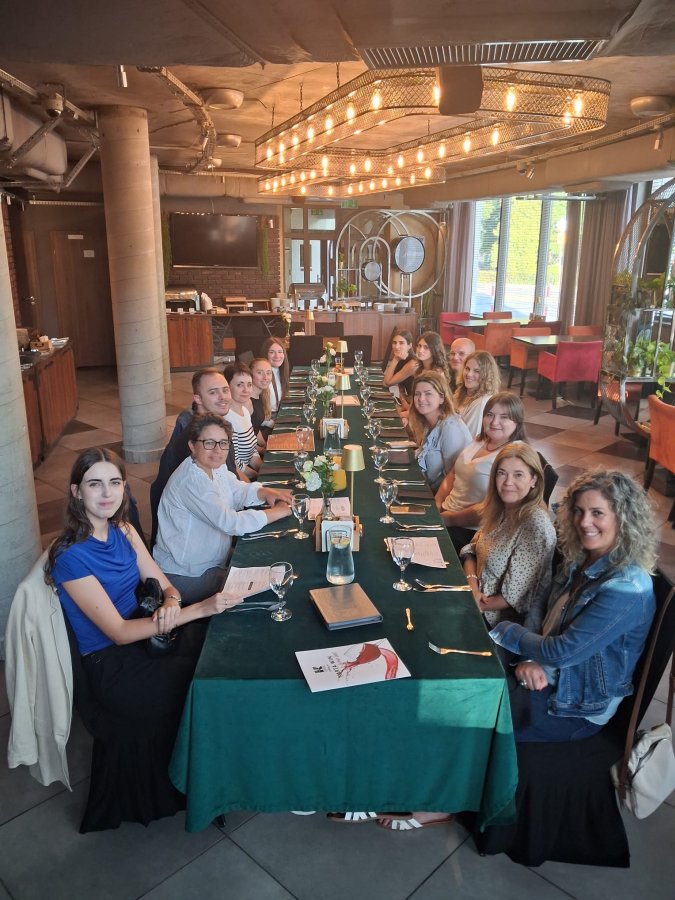
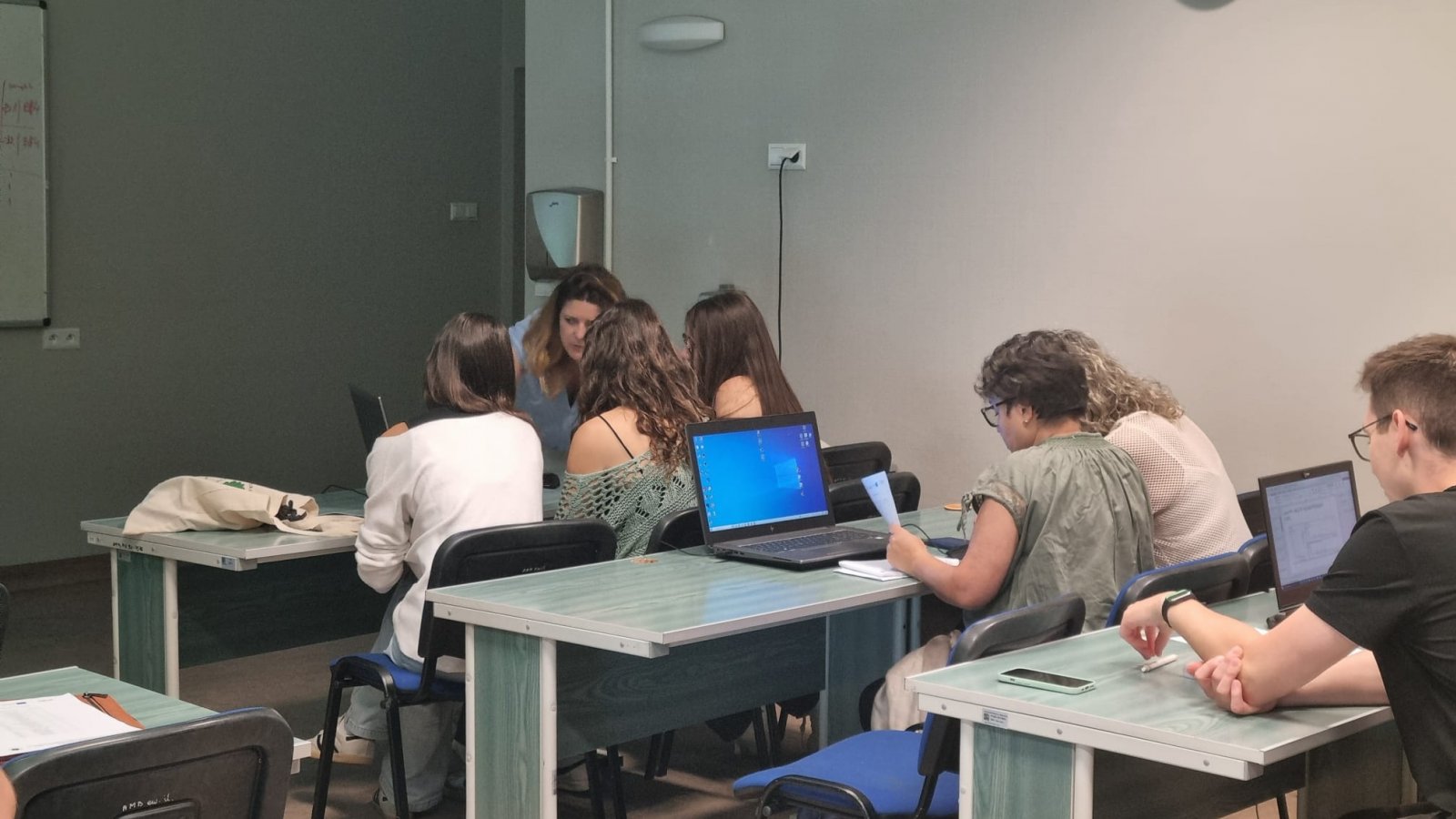
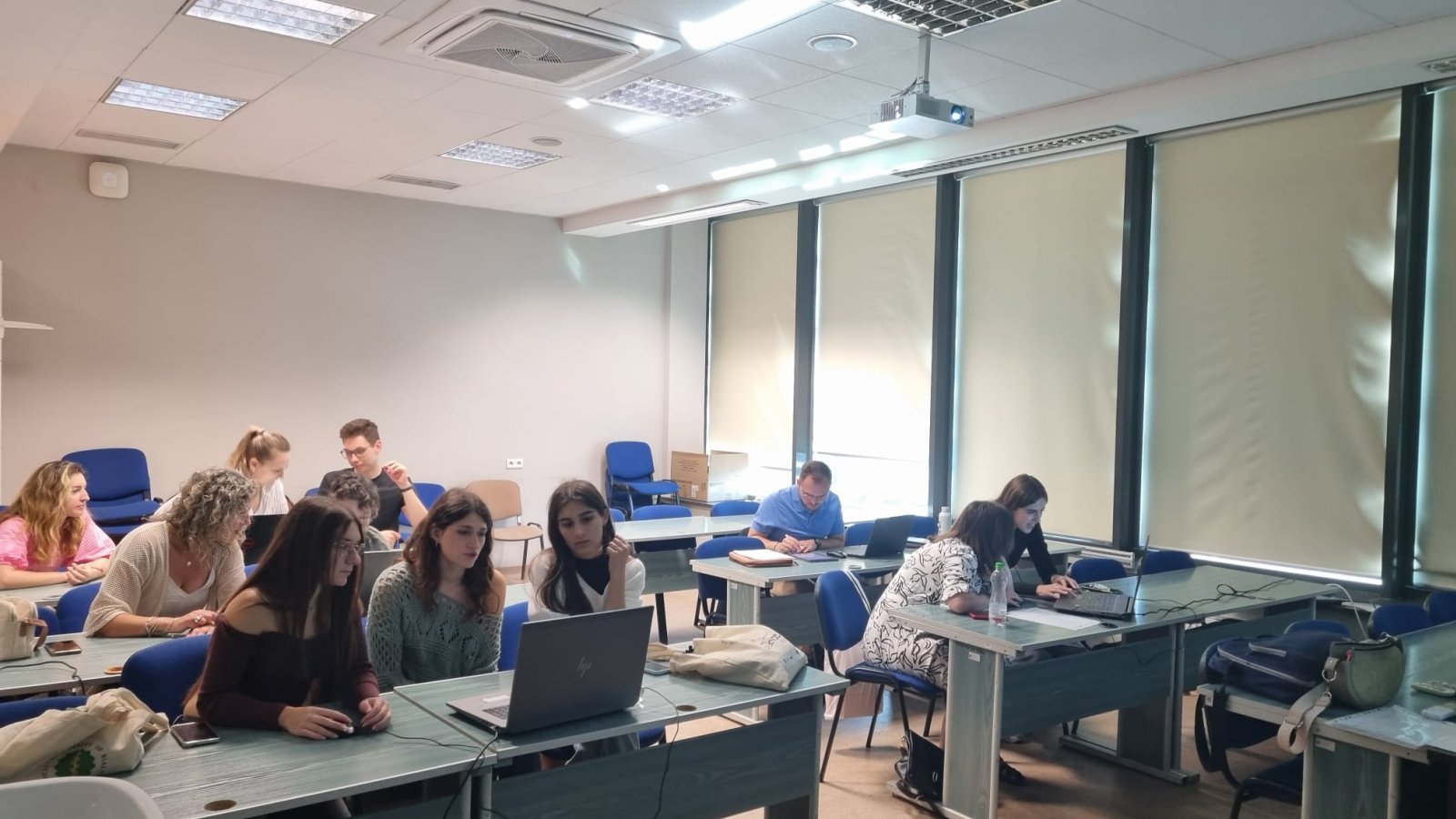
The three days of collaborative work also provided an opportunity for students and faculty from European partner universities to exchange experiences and build professional networks. The course concluded with a review of the knowledge and skills acquired, followed by a formal certificate presentation ceremony.
Initiatives of this kind allow participants to combine the acquisition of specialized knowledge with practical experience, while also fostering the development of international academic and scientific cooperation.
International Cooperation Department
The programme is funded by the European Union under the project entitled ‘Support for European University Alliances’, reference number FERS.01.05-IP.08-0219/23