
 Connect with a PJM translator
 Font size
 Contrast version
 Monochrome version
 Text version
 Reset settings
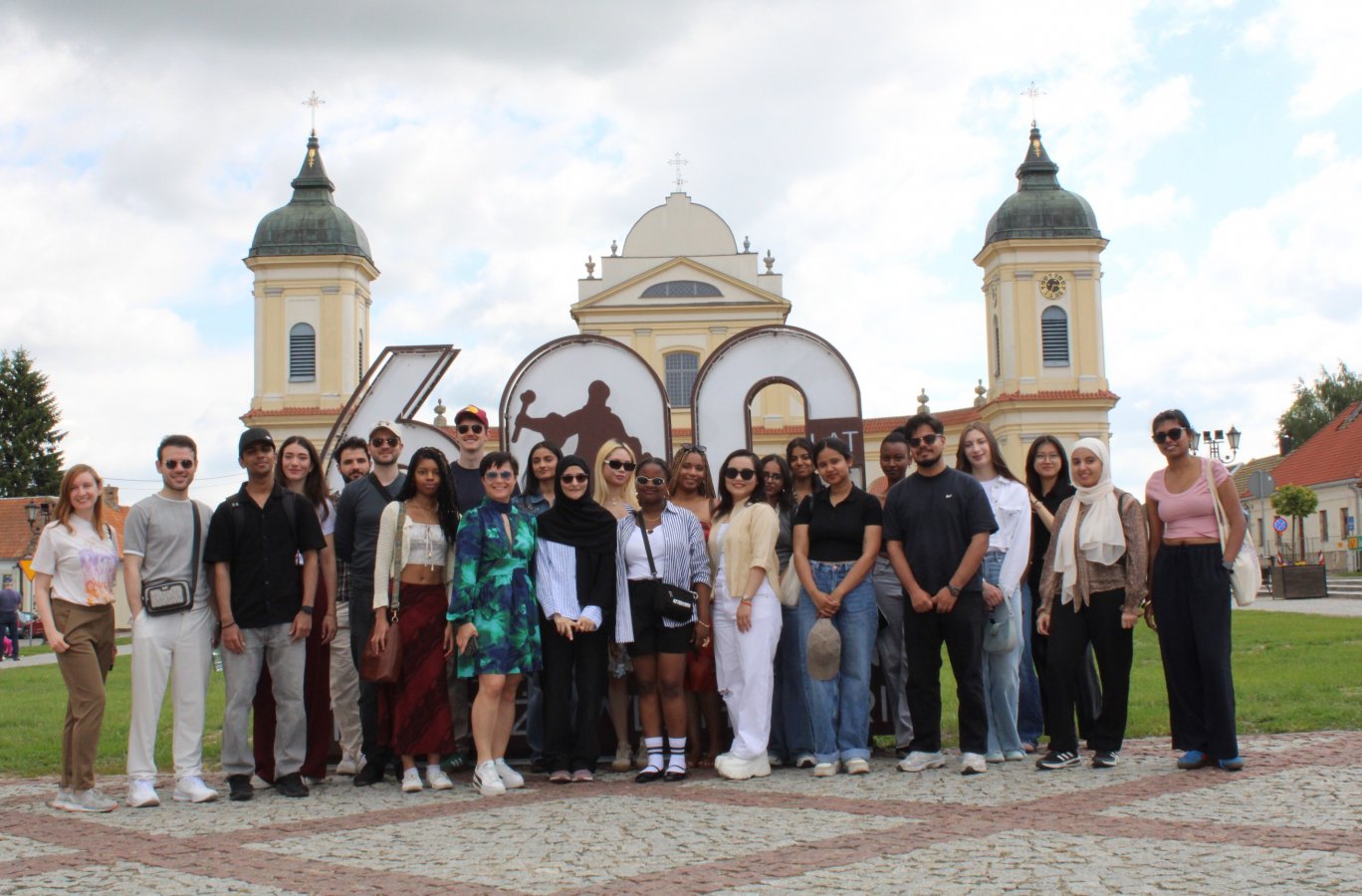
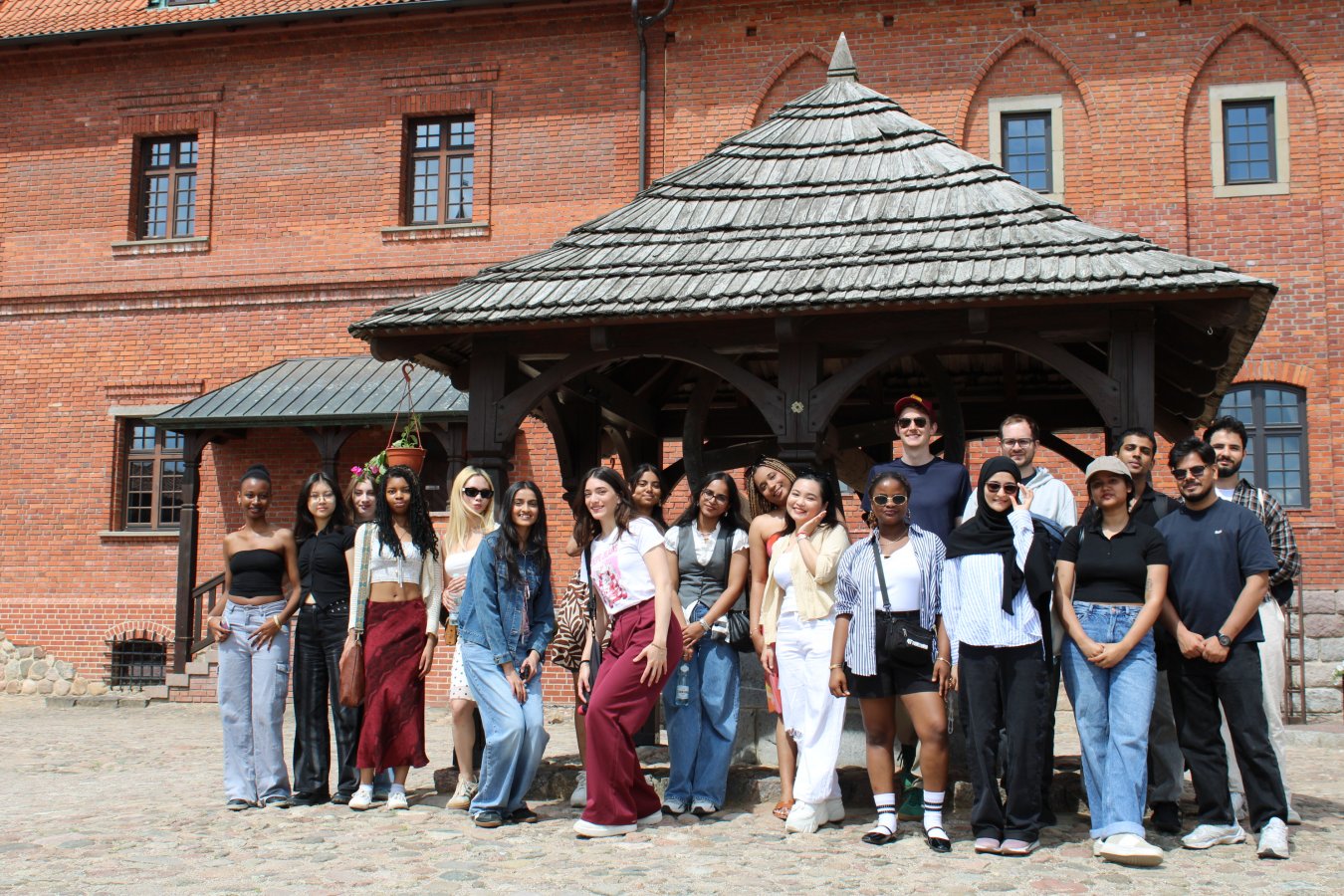
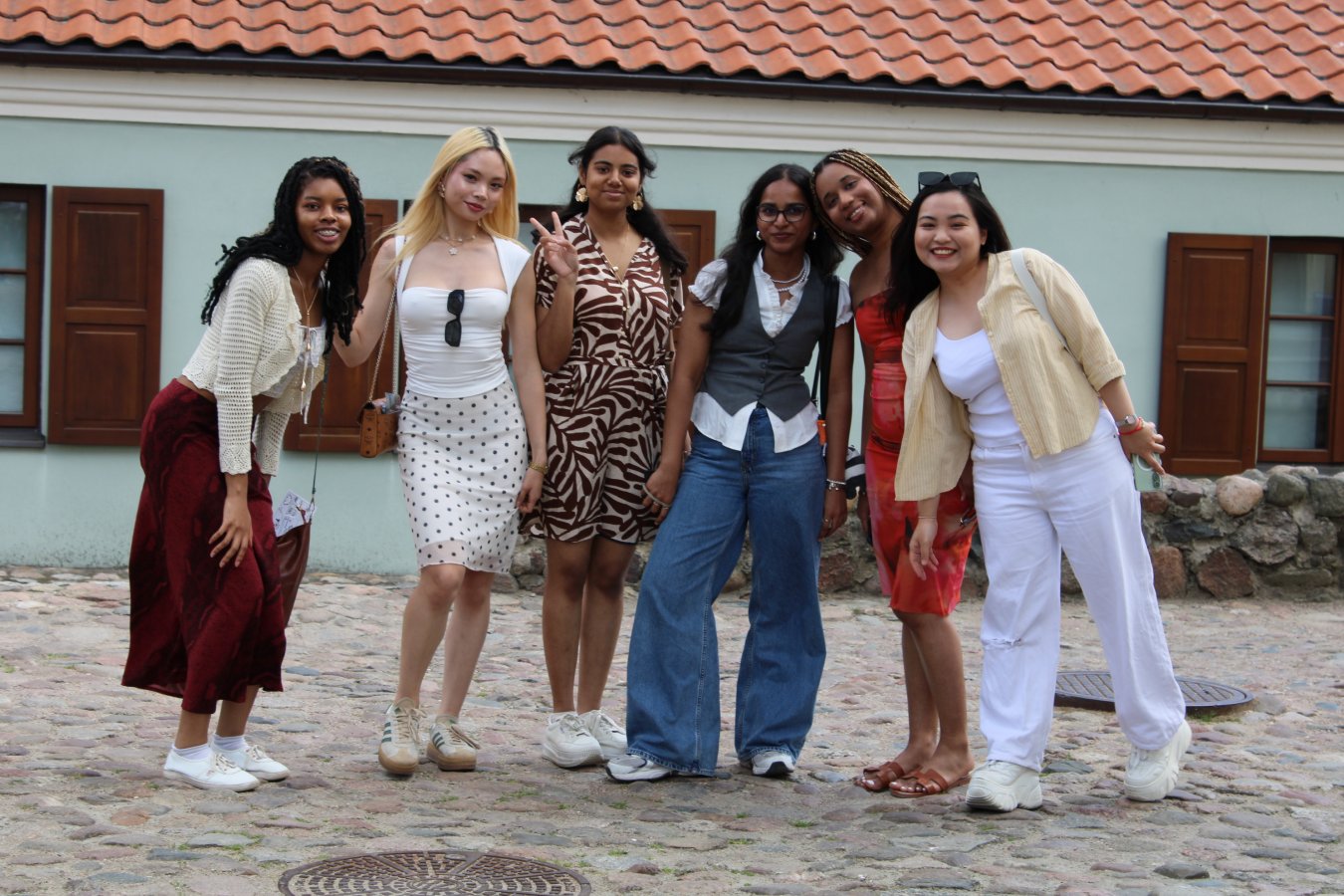
On Saturday, 23 May 2026, the event "Welcome to Tykocin – III Erasmus+ Sightseeing Day", organised by the Erasmus+ Office, took place.
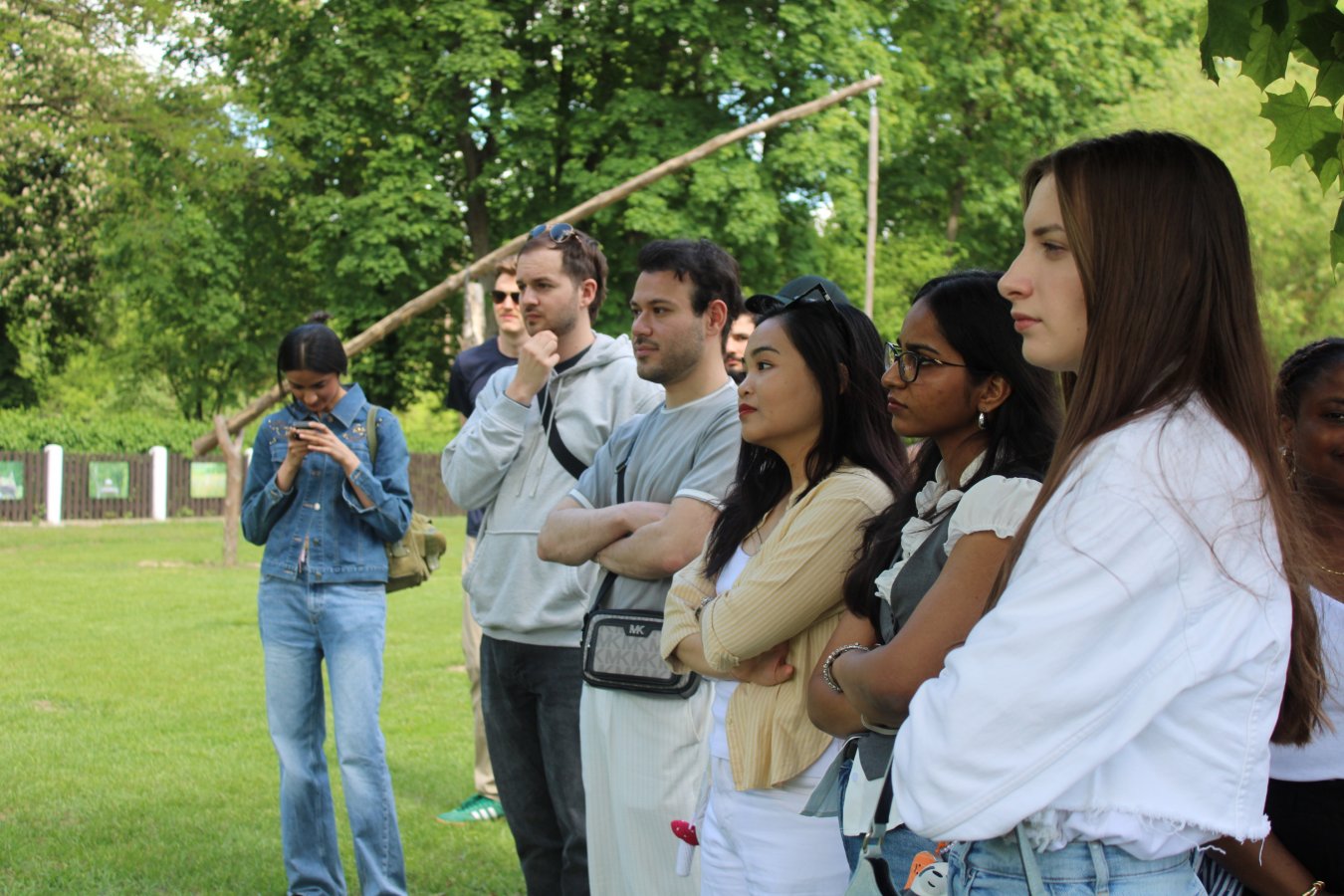
The participants were: this year’s Erasmus+ incoming students, MUB’s outgoing students that took part in mobilities for study and traineeship, Erasmus+ Buddies, English Division students and representatives of the International Cooperation Department and the Erasmus+ Office.
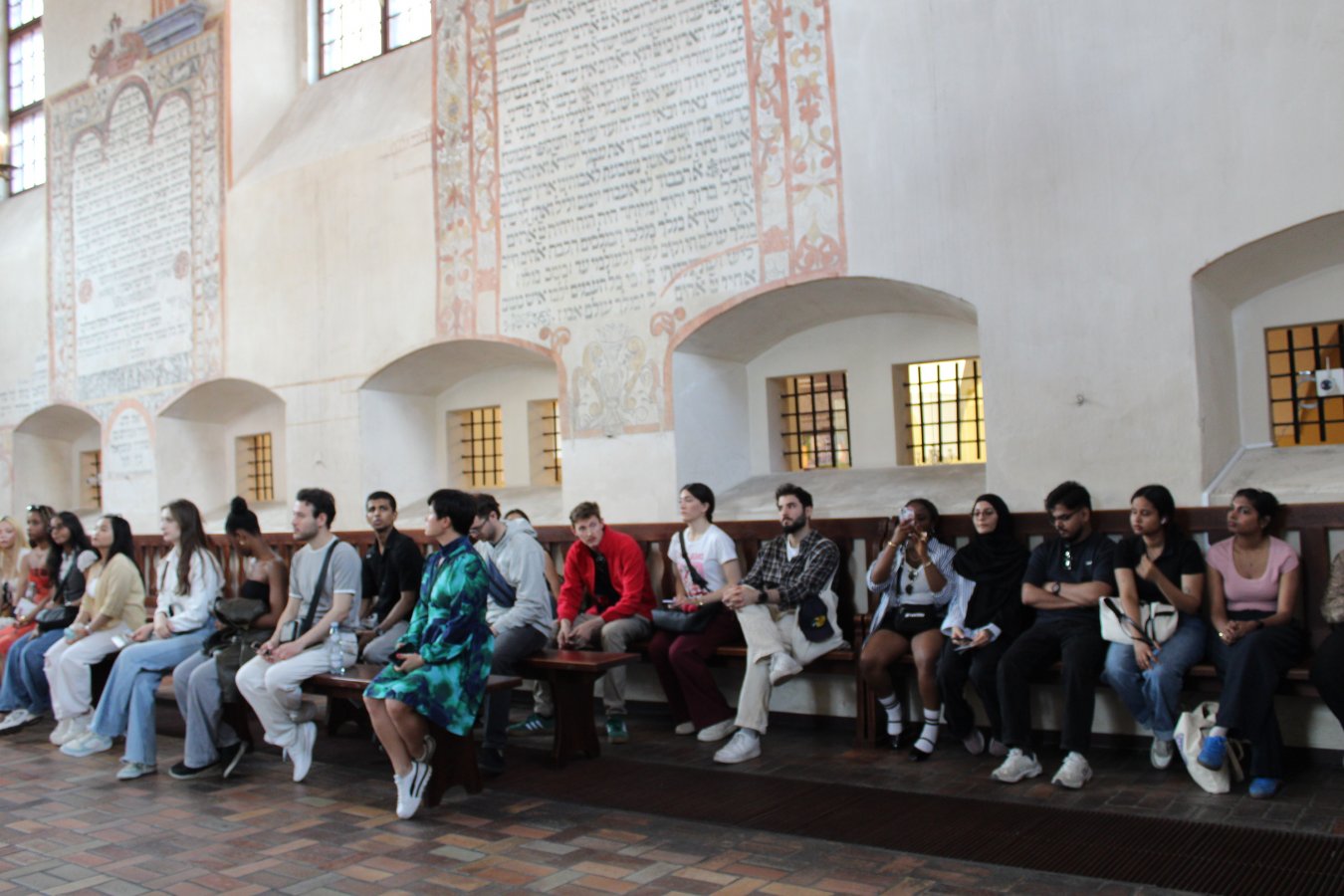
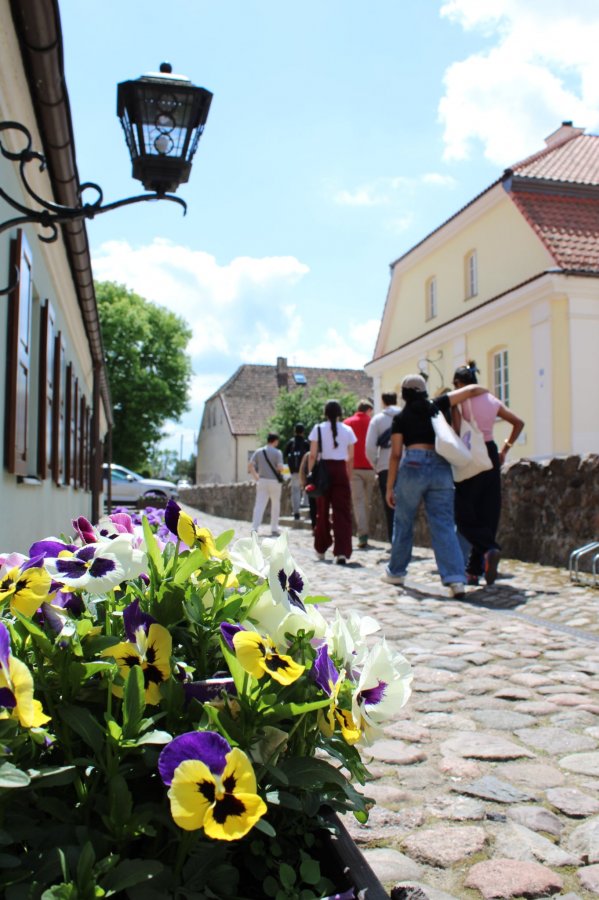
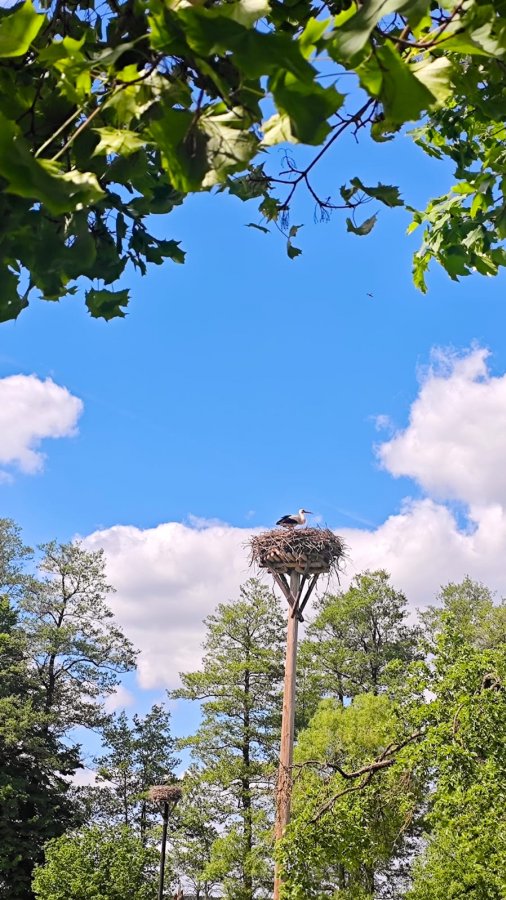
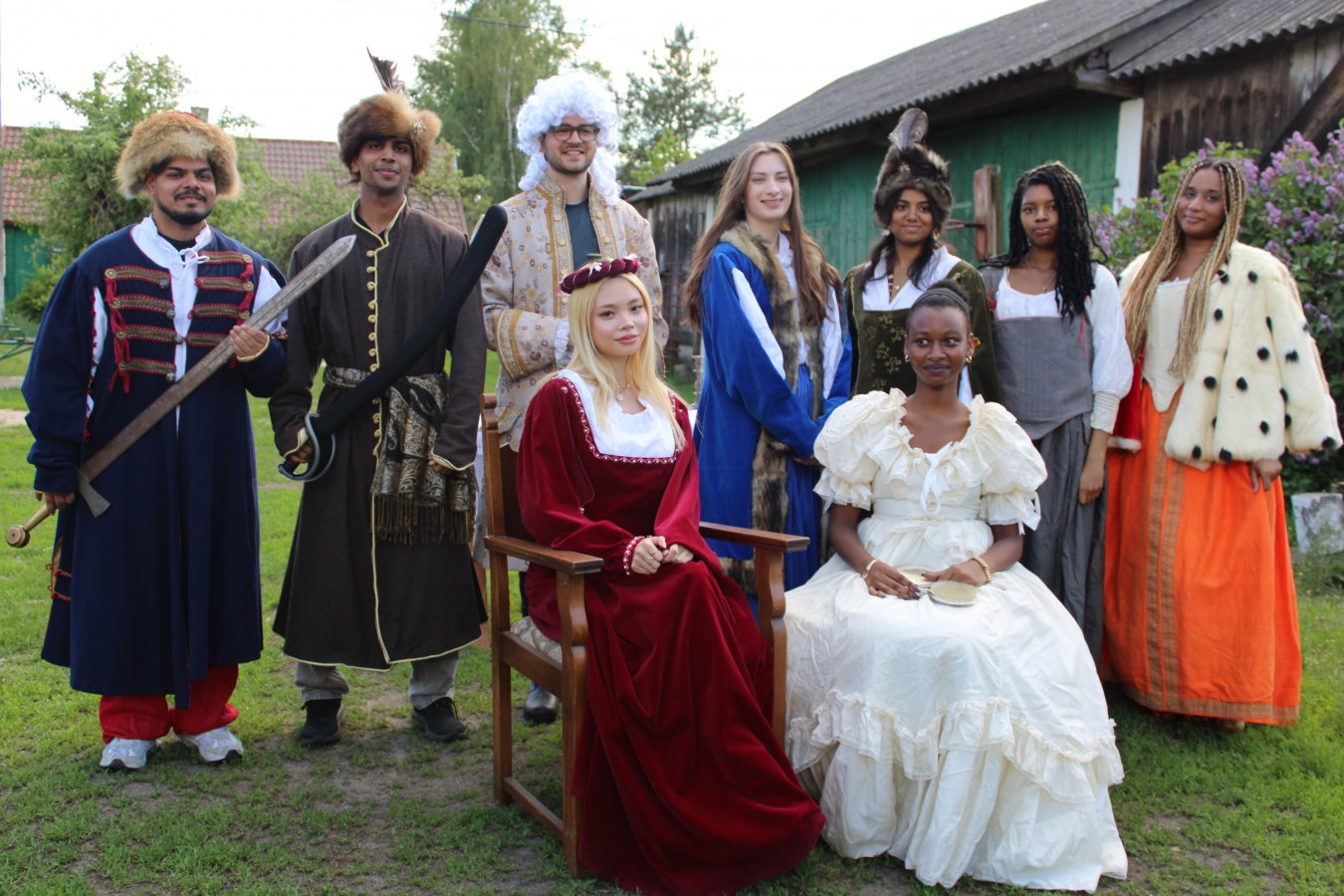
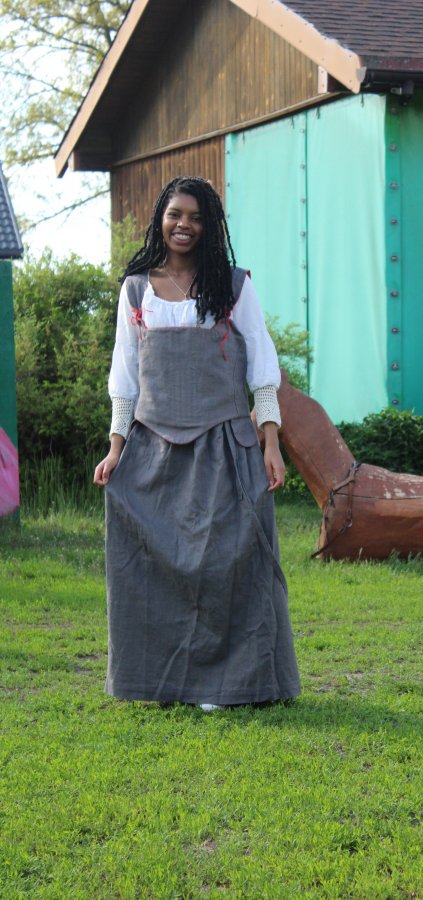
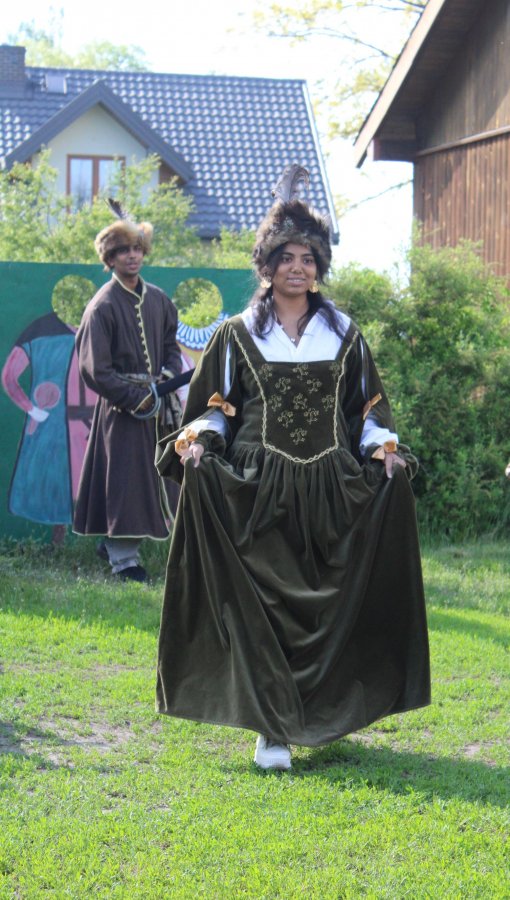
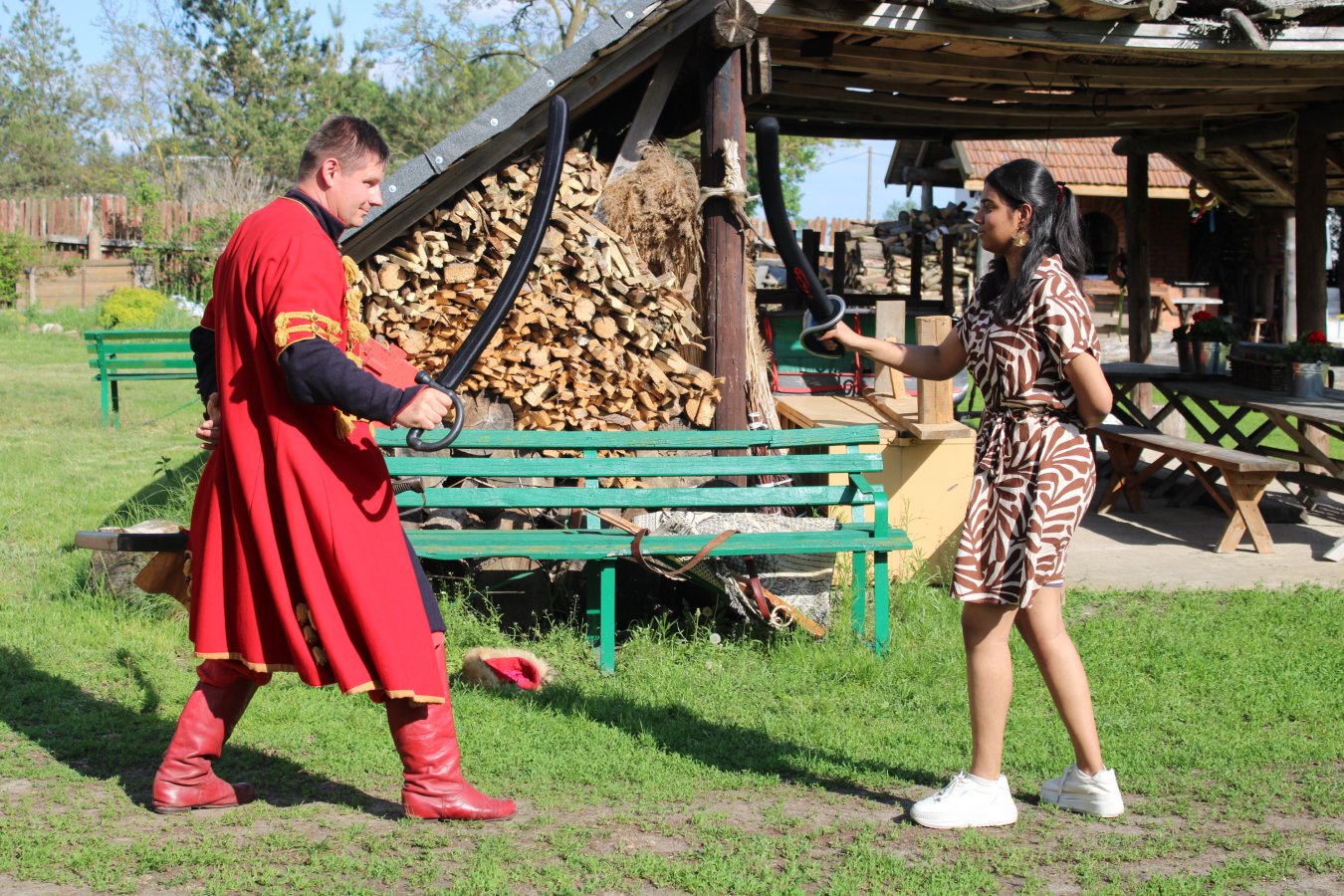
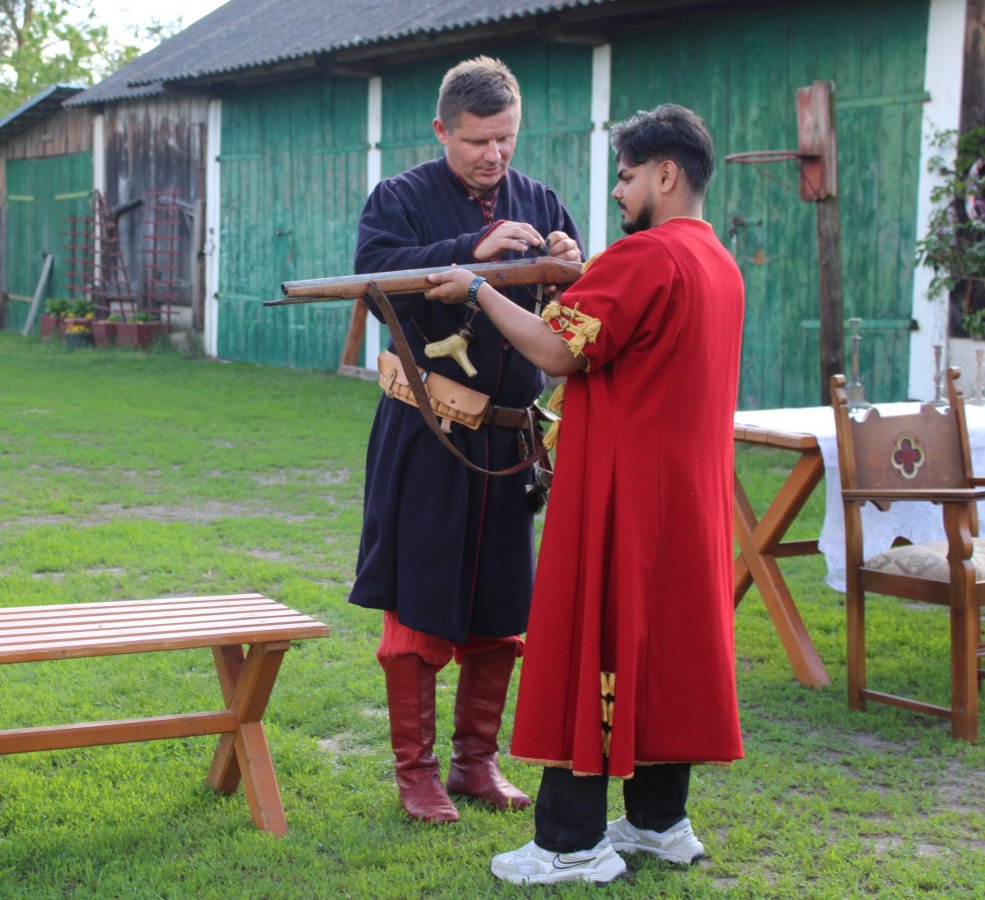
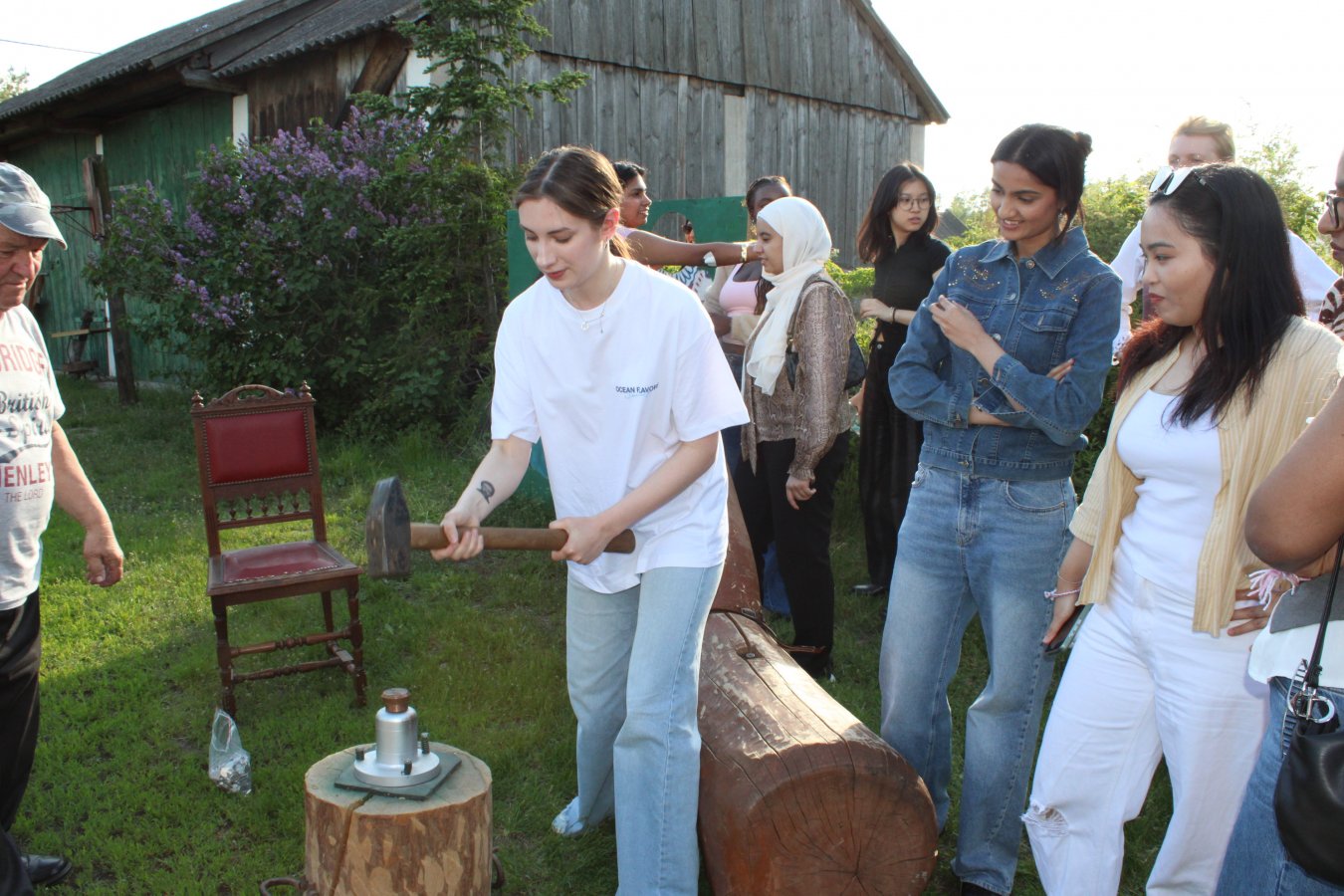
The trip was an excellent opportunity to bring the international academic community together, learn about the region’s history and discover the charms of Podlasie. The students had the chance to visit Tykocin – one of the oldest towns in the province. The programme included a tour of the Royal Castle, a visit to the Great Synagogue and the Talmudic House, and a group lunch at a local restaurant, during which participants were able to sample Jewish cuisine. Another highlight of the trip was a visit to the European Stork Village in Pentowo, where visitors could learn more about the region’s natural wealth and observe the stork colonies characteristic of Podlasie. There were also group games and outdoor activities. The students had the opportunity to attend a 17th-century fashion show, learn about how fencers were trained, and even try their hand at using black powder weapons.
The excursion was an excellent opportunity to get to know the region better and to spend time together in an international group. The event demonstrated once again that Podlasie offers unique places and experiences that will remain in the participants’ memories for a long time to come.
Thank you all for your presence and positive spirit – we look forward to seeing you at future Erasmus+ events!

Funded by the European Union. Views and opinions expressed are however those of the author(s) only and do not necessarily reflect those of the European Union or the European Education and Culture Executive Agency (EACEA). Neither the European Union nor EACEA can be held responsible for them